
Best Supplements for Blood Pressure Support in India: What the Research Says About Magnesium, CoQ10 & Omega-3
Medical Disclaimer: Read This First
This article examines nutritional research on supplements and blood pressure. It is for informational purposes only and does not constitute medical advice.
Hypertension is a serious medical condition requiring physician management. No supplement discussed here has been approved to treat hypertension. If you have diagnosed high blood pressure, manage it under medical supervision. If experiencing symptoms of severely elevated blood pressure – severe headache, vision changes, chest pain, shortness of breath – seek emergency medical attention immediately.
The Research Question: “Support” vs “Treatment”
“Blood pressure support” refers to nutrients that have shown modest associations with blood pressure readings in clinical research. This is not the same as treating diagnosed hypertension, replacing prescribed antihypertensive medication, or guaranteeing any specific reduction.
For three specific nutrients – magnesium, CoQ10, and Omega-3 – there is genuine peer-reviewed evidence for modest blood-pressure-related effects. This article examines that evidence honestly.
Blood Pressure in India: Why This Matters
An estimated one in four Indian adults has high blood pressure and a significant proportion are unaware of it, since hypertension is typically asymptomatic.
Key India-specific drivers:
- High dietary sodium (pickled foods, papads, street food)
- Low dietary magnesium and potassium bioavailability (phytate inhibition from dal, roti, rice)
- Rising obesity and insulin resistance in urban India
- Chronic psychological stress elevating sympathetic nervous system tone
For adults without diagnosed hypertension but with high-normal readings (systolic 120–139 mmHg), lifestyle interventions have the strongest evidence. The three nutrients below may provide complementary, modest additional effects within a lifestyle-first framework.
Magnesium: The Most India-Relevant Blood Pressure Nutrient
The Mechanism
Magnesium influences blood pressure through three complementary pathways:
Vascular smooth muscle relaxation: Magnesium acts as a natural calcium channel blocker – opposing calcium-driven contraction of blood vessel walls, supporting vasodilation, and reducing peripheral vascular resistance.
Renin-angiotensin system modulation: Adequate magnesium reduces renin activity in the RAAS hormonal cascade that regulates blood volume and vascular tone – the same system targeted by ACE inhibitor and ARB medications.
Nitric oxide production: Magnesium is involved in endothelial nitric oxide synthesis – the primary vasodilation signal protecting normal blood vessel tone.
The Evidence
A 2016 meta-analysis in Hypertension (Zhang et al., 34 randomised controlled trials, 2,028 participants) found: magnesium supplementation was associated with average reductions of 2.00 mmHg systolic and 1.78 mmHg diastolic. Effects were more pronounced at doses above 300mg daily and in participants more deficient at baseline.
Epidemiological context: even small population-wide blood pressure reductions produce large reductions in cardiovascular event rates – each 5 mmHg reduction in systolic BP is associated with approximately 14% lower stroke risk.
Why India-Specific Relevance Is Highest Here
As covered in the ZMA and anti-inflammatory diet articles in this series, magnesium deficiency is endemic in Indian adults due to:
- Phytate-heavy staple foods (dal, roti, rice) reducing magnesium absorption
- Cortisol from chronic stress driving urinary magnesium excretion
- Sweat losses in India’s climate
An Indian adult with structural magnesium insufficiency may experience more pronounced blood-pressure-adjacent benefit from magnesium replenishment than research population averages would predict.
Dietary sources: Palak, methi, almonds, cashews, pumpkin seeds, moong dal. Note: phytate reduces absorption even from these sources.
Supplemental form: Magnesium glycinate or citrate (significantly better absorbed than magnesium oxide, the most common cheap form in supplements). Dose: 200-400mg elemental magnesium daily.
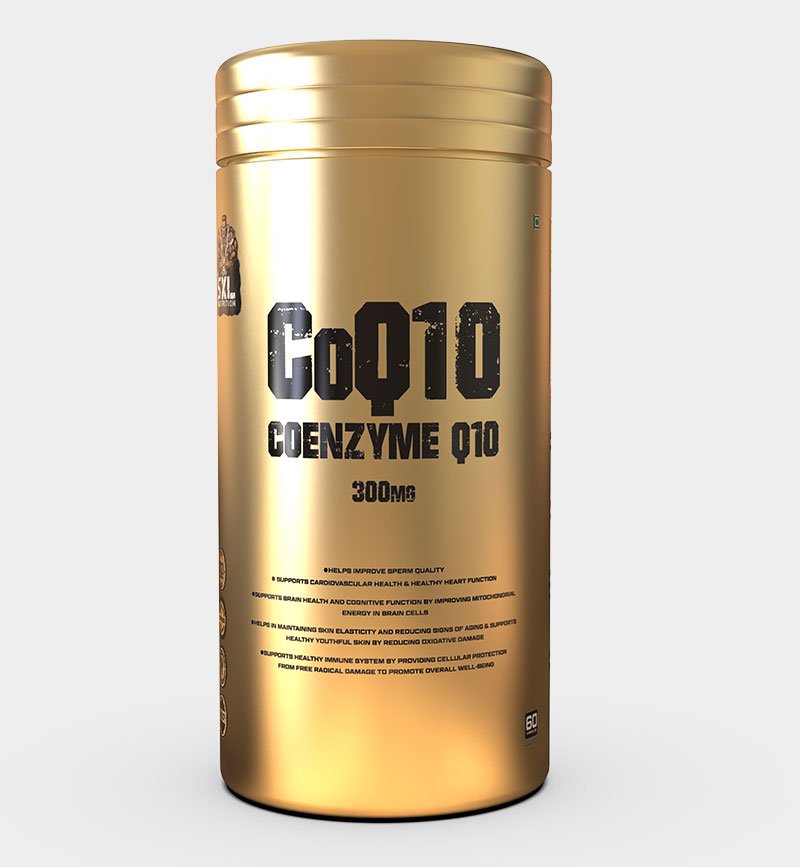
CoQ10: Modest but Replicated Blood Pressure Evidence
The Mechanism
CoQ10’s blood pressure relevance works through:
Antioxidant endothelial protection: CoQ10 reduces oxidative inactivation of nitric oxide in endothelial cells, protecting vasodilation capacity. Oxidative stress impairing nitric oxide is one mechanism through which chronic inflammation raises blood pressure.
Mitochondrial efficiency in vascular tissue: Improved energy production in vascular smooth muscle cells may influence their contractile state and responsiveness to vasoactive signals.
The statin connection: Statin medications reduce endogenous CoQ10 production as a pharmacological side effect (same mevalonate pathway as cholesterol). Statin users a growing population in India – may have lower CoQ10 status affecting vascular function.
The Evidence
A 2007 meta-analysis by Rosenfeldt et al. in the Journal of Human Hypertension (12 clinical trials) found CoQ10 supplementation associated with average reductions of approximately 11 mmHg systolic and 7 mmHg diastolic. Larger effects than magnesium’s, but these trials were smaller and older.
A subsequent Cochrane Review found insufficient evidence from high-quality trials to definitively confirm a blood-pressure-lowering effect – a more conservative interpretation reflecting trial quality limitations.
Honest reconciliation: CoQ10 may produce modest blood pressure reductions, particularly in those with depleted status (statin users, older adults), but the evidence is not sufficiently robust for predictable individual outcomes. Its most specific, well-established applications remain statin-associated depletion and heart failure adjunct use.
Dose: 100–200mg daily with a fat-containing meal (fat-soluble).
Omega-3: Real Mechanism, Modest Evidence at OTC Doses
The Mechanism
EPA and DHA influence blood pressure through:
Vasodilation via prostacyclin: EPA is a precursor to prostacyclin (PGI2), a potent vasodilator, produced at the expense of vasoconstricting thromboxane A2 (from Omega-6 competition).
Reduced sympathetic nervous system activity: Omega-3 supplementation may reduce sympathetic nervous tone – directly relevant for many Indian adults whose elevated blood pressure is driven by chronic stress activation.
Vascular inflammation reduction: EPA and DHA’s anti-inflammatory effects may protect nitric oxide pathways from inflammatory impairment.
The Evidence
A meta-analysis by Miller et al. (American Journal of Hypertension, 2014, 70 randomised trials) found average reductions of 1.52 mmHg systolic and 0.99 mmHg diastolic across the general population – modest, but dose-dependent.
At higher doses (3g EPA+DHA daily) in people with existing hypertension: approximately 4.51 mmHg systolic and 3.05 mmHg diastolic reduction – more meaningful, but requiring 5–10 standard OTC capsules daily.
The practical implication: At typical OTC doses (one 1000mg fish oil capsule = 300mg EPA+DHA), blood pressure effects are likely minimal. Higher-concentration, higher-dose supplements approach the doses showing meaningful effects.
Label reading note: Always check the EPA and DHA content specifically – not the total “fish oil” milligram amount. A “1000mg fish oil” capsule may contain only 180mg EPA + 120mg DHA.
Evidence Comparison: Blood Pressure Effects
| Nutrient | Mechanism | Average BP Reduction | Key Limitation |
| Magnesium | Vasodilation, RAAS, nitric oxide | 2.0/1.8 mmHg | More pronounced in deficient individuals |
| CoQ10 | Antioxidant endothelial, mitochondrial | 11/7 mmHg (older trials) | Smaller, older study base; Cochrane inconclusive |
| Omega-3 | Prostacyclin, sympathetic tone | 1.5/1.0 mmHg general; 4.5/3.0 mmHg hypertensives at high dose | Dose-dependent; most OTC doses below research doses |
Perspective: Each 5 mmHg reduction in systolic BP is associated with approximately 14% lower stroke risk and 9% lower coronary heart disease risk in epidemiological research – even modest consistent effects matter when sustained long-term.
What the Research Does Not Support
These supplements do not replace antihypertensive medication. Pharmaceutical antihypertensives typically reduce blood pressure by 10-15 mmHg systolic per agent. The supplement effects above are modest by comparison.
They do not prevent hypertension in normotensive individuals – the research examined blood pressure effects in elevated or high-normal populations.
Individual response is highly variable. The averages reported hide substantial spread; your individual response may be larger, smaller, or absent.
Lifestyle interventions outperform all supplements here:
- Sodium restriction (reducing intake by 1,000mg daily): 5 mmHg systolic reduction
- Regular aerobic exercise: 4-9 mmHg systolic reduction
These are not optional extras – they are the most evidence-supported interventions outside prescribed medication, and supplements work best as a complement to them, not a substitute.
Who May Benefit Most
Most likely to benefit:
- Indian adults with documented magnesium insufficiency (high-phytate diet, active in summer, chronically stressed)
- Adults on statin medication – CoQ10’s depletion rationale is most specific here
- Adults with elevated triglycerides or limited fish intake – Omega-3 addresses both
- Adults with high-normal readings (systolic 120-139 mmHg) as a lifestyle-change complement, discussed with a physician
Who should prioritise medical care first:
- Anyone with stage 1 hypertension (systolic 130-139 or diastolic 80-89 mmHg) not yet fully implementing lifestyle changes
- Anyone with stage 2 hypertension (systolic 140+ or diastolic 90+) medical management situation
- Anyone on antihypertensive medication – always discuss additions with your prescribing doctor
FAQ
Q: What is the best supplement for blood pressure in India?
Based on available evidence, magnesium has the most consistently supported and India-relevant mechanism for blood pressure support – Indian adults are among the most likely to be magnesium-deficient due to dietary phytate and climate-related sweat losses. CoQ10 has the largest reported effect size but from older, smaller trials with a Cochrane Review inconclusive. Omega-3 shows modest effects at standard OTC doses. None substitute for medical management of diagnosed hypertension.
Q: Can magnesium lower blood pressure?
A 2016 meta-analysis of 34 trials found magnesium supplementation associated with average reductions of approximately 2 mmHg systolic and 1.78 mmHg diastolic. Effects are more pronounced in magnesium-deficient individuals – a category that likely includes many Indian adults. This is a legitimate, evidence-based finding, though modest and not a substitute for medical management of diagnosed hypertension.
Q: Is CoQ10 effective for blood pressure?
A 2007 meta-analysis reported reductions of approximately 11 mmHg systolic and 7 mmHg diastolic, though from older and smaller studies. A subsequent Cochrane Review found insufficient high-quality trial evidence to definitively confirm the effect. CoQ10’s most established specific applications are statin-associated depletion and heart failure adjunct use.
Q: Should I stop my blood pressure medication and take supplements instead?
No. Never stop or reduce prescribed antihypertensive medication without your doctor’s explicit guidance. Supplements may potentially complement medical management as a discussed addition – they are not a replacement.
Q: Are magnesium, CoQ10, and Omega-3 safe to take together?
These three have no known adverse interactions with each other. Both CoQ10 and Omega-3 are fat-soluble and better absorbed with a fat-containing meal. Anyone on antihypertensive or blood-thinning medication should discuss adding these with their doctor, as additive blood-pressure effects and antiplatelet interactions (from Omega-3) are possible.
The Bottom Line
For the Indian context specifically, magnesium is the most structurally relevant blood pressure support nutrient – Indian adults are structurally more likely to be deficient, and magnesium’s mechanism is the most directly blood-pressure-relevant.
All three nutrients work best within a lifestyle framework that prioritises sodium reduction, regular aerobic exercise, weight management, improved sleep, and stress management – none is a substitute for this foundation, and none replaces appropriate medical care for anyone with diagnosed hypertension.
Lifestyle first, medical care when indicated, supplements as a thoughtfully chosen, physician-discussed complement to both.