What Causes Muscle Cramps During Exercise – and the Best Drink to Stop Them Fast
The Cramp That Stops Everything
You’re three sets into squats, or 40 minutes into a football session, or mid-lap in the pool. And then it happens – a sudden, involuntary, brutally painful muscle contraction that won’t release no matter how much you stretch or breathe through it.
Muscle cramps during exercise are one of the most common complaints among Indian athletes – and one of the most persistently misunderstood. The default advice is “drink more water.” That advice is incomplete, sometimes counterproductive, and misses the actual physiological cause.
This article covers what exercise-induced muscle cramps actually are, the mechanism behind why they happen, why the “drink more water” instinct isn’t the right answer, and what the research actually supports as the most effective intervention – both preventive and immediate.
What Is a Muscle Cramp? The Basic Mechanism
A muscle cramp is an involuntary, sustained, painful contraction of skeletal muscle that does not release on command. Unlike voluntary contractions – where you initiate the contraction and can stop it – a cramp involves the muscle essentially “locking” in a contracted state, unable to relax normally.
The mechanism involves the neuromuscular junction – the point where nerve signals meet muscle fibres. Normal muscle function follows a cycle:
Contraction trigger: A motor neuron fires, releasing acetylcholine at the neuromuscular junction. This triggers an action potential in the muscle cell membrane, releasing calcium from the sarcoplasmic reticulum (the cell’s internal calcium store) into the cell, driving the actin-myosin cross-bridge formation that produces contraction.
Relaxation: The motor neuron stops firing. Calcium is actively pumped back into the sarcoplasmic reticulum (a process requiring ATP and magnesium). Without calcium driving cross-bridge formation, the muscle relaxes.
The cramp failure point: When this cycle goes wrong – either due to abnormal motor neuron firing that keeps sending contraction signals, or due to impaired calcium clearance that prevents the muscle from properly relaxing between contractions – the muscle locks in sustained contraction. This is a cramp.
Understanding this basic cycle is key to understanding why electrolytes – not just water – are the correct intervention.
The Electrolyte Connection: Why Water Alone Doesn’t Fix Cramps
The Two Leading Hypotheses
Sports medicine research has proposed two primary mechanisms for exercise-induced muscle cramps:
1. The Dehydration-Electrolyte Depletion Hypothesis
The original and still well-supported explanation: as sweat losses accumulate during training, the concentration of key electrolytes in plasma and interstitial fluid falls. This electrolyte imbalance directly disrupts the electrochemical environment required for normal neuromuscular function:
- Sodium is the primary extracellular cation – it sets the resting membrane potential that determines how readily a neuron fires. Low sodium makes neurons more excitable, lowering the threshold at which they fire spontaneously – generating the abnormal motor neuron activity that drives cramping.
- Potassium is the primary intracellular cation. The resting membrane potential depends on the ratio of potassium inside versus outside the cell. When sweat-induced potassium losses shift this ratio, action potential generation and propagation become erratic, contributing to the uncontrolled firing associated with cramping.
- Magnesium is directly involved in the calcium pump function responsible for muscle relaxation. When magnesium is depleted, calcium clearance from the muscle cell is impaired – calcium remains elevated intracellularly, keeping the actin-myosin mechanism partially activated and preventing full relaxation. This is the direct magnesium-relaxation link: low magnesium = impaired muscle relaxation = higher cramp risk.
- Calcium itself, beyond its intracellular role, is involved in muscle membrane stability. Low extracellular calcium increases neuronal excitability, adding to the threshold-lowering effect of sodium depletion.
2. The Neuromuscular Fatigue Hypothesis
A more recent and increasingly supported hypothesis holds that muscle cramps are primarily driven by neuromuscular fatigue rather than electrolyte depletion alone – with fatigued motor neurons becoming progressively more excitable, producing abnormal discharge patterns that trigger involuntary contractions.
The emerging scientific consensus is that both mechanisms are involved – they are not mutually exclusive. Electrolyte imbalance lowers the threshold at which neuromuscular fatigue produces cramping; a fatigued muscle under adequate electrolyte conditions may cramp later or not at all. The practical implication is the same: addressing electrolyte status remains one of the most actionable interventions available, because reducing neuromuscular fatigue during a match or session is harder to control acutely than electrolyte replenishment.
Why “Drink More Water” Can Actually Make Cramps Worse
This is the most counterintuitive and most practically important point in this article.
When you sweat, you lose both fluid (water) and electrolytes. If you replace the fluid (by drinking plain water) but not the electrolytes, you progressively dilute the electrolytes remaining in your bloodstream. This lowers plasma sodium concentration – a condition called exercise-associated hyponatraemia (EAH).
Hyponatraemia actually worsens cramping risk by:
- Further lowering the neuronal firing threshold (low sodium makes neurons hyperexcitable)
- Triggering osmotic fluid shifts that alter the fluid environment around muscle cells
- Reducing the thirst drive (low plasma osmolality reduces perceived thirst even as electrolyte imbalance worsens)
The scenario plays out like this in Indian training conditions: a gym-goer cramps during a hot training session, drinks a large amount of plain water hoping to resolve the cramp, and finds the cramp is worse or returns more quickly. The water didn’t help because the cramp wasn’t driven by inadequate fluid volume – it was driven by electrolyte imbalance, which plain water diluted further.
The correct intervention is fluid plus electrolytes together – replacing both what was lost in sweat, not just the water component.
Why Indian Athletes Cramp More: The India-Specific Factors
Heat and Sweat Rate
Sweat rate during intense training in Indian summer conditions (30-40°C ambient, high humidity) is significantly higher than in temperate climates. Studies on athletes training in tropical conditions document sweat rates of 1.5-2.5 litres per hour at exercise intensities typical of Indian gym and team sport training. This is 2-3× the sweat rate of an athlete doing the same session in a 20°C European gym.
Higher sweat rate means faster electrolyte depletion – reaching the cramping threshold earlier in the session, and reaching it more frequently across the training week. This is why cramping is endemic in Indian summer sport and relatively uncommon for the same athletes training through winter months.
Cultural Under-Hydration Before Training
A significant proportion of Indian athletes arrive at training sessions in a mild deficit – having consumed less fluid through the day than the climate demands, and often consuming chai (which, due to caffeine’s mild diuretic effect and the heat, may not fully replace fluid losses). Starting training in a pre-existing mild fluid and electrolyte deficit compresses the time-to-cramp window, as the electrolyte reserve entering the session is already partially depleted.
High-Sodium Dietary Variation
Indian diets vary substantially in sodium content – high in some regional patterns (pickled foods, papads, heavily salted street food) and lower in others (lighter, less processed home cooking). Sodium intake affects baseline plasma sodium and the body’s sweat sodium concentration (heavily-salted diets produce saltier sweat, accelerating electrolyte losses per unit of sweat volume). This variability makes individual electrolyte needs difficult to predict from population-level guidance – another reason a comprehensive electrolyte formula addresses the problem more reliably than water alone.
Magnesium Depletion From Diet
As covered in the ZMA and anti-inflammatory diet articles in this series, magnesium deficiency is endemic in Indian athletes due to phytate-inhibited absorption from the high-legume and whole-grain diet, cortisol-driven urinary losses from training stress, and the high sweat-magnesium losses of Indian summer training. Athletes who are already borderline magnesium-deficient at rest hit the cramping threshold faster during training – making both chronic magnesium supplementation and intra-workout magnesium replacement relevant.
How to Stop a Muscle Cramp During Training
When a cramp strikes mid-session, the immediate priority is breaking the involuntary contraction cycle. The evidence-supported approaches:
Stretching the Cramping Muscle
Passively lengthening the cramped muscle is the most universally effective immediate intervention. Stretching activates the Golgi tendon organ (GTO) – a sensory receptor at the muscle-tendon junction that detects excessive tension. GTO activation sends an inhibitory signal to the alpha motor neurons supplying the cramping muscle, directly reducing the abnormal discharge driving the cramp. This is why stretching a calf cramp – pulling the foot toward the shin – often produces faster relief than massage.
Cold or Warm Application
The evidence on cold vs. warm application is mixed. Cold may provide some pain relief through local analgesic effects; warmth may help relax the broader muscle group. Neither directly addresses the underlying electrolyte or neuromuscular cause – they are symptomatic relief measures rather than corrective interventions.
Electrolyte Drink: The Correct Intra-Session Intervention
Consuming a sodium-containing electrolyte drink during or immediately after a cramp addresses the underlying electrolyte-imbalance mechanism, though the absorption timeline means it provides more sustained relief than instant cramp cessation. The most acute effect of consuming electrolytes during a cramp is likely the sensory impact of sodium on oral receptors – research by Miller et al. and others suggests that electrolyte-containing fluids may trigger a reflex inhibitory response through the oropharyngeal (throat and mouth) sensory pathway, potentially contributing to faster cramp resolution than the absorption timeline would explain. This doesn’t change the recommendation – electrolytes are correct – but it helps explain why even a small immediate intake can have a faster effect than waiting for gastric absorption.
Pickle Juice: What’s Behind the Claim
Pickle juice gained research attention specifically for its apparent rapid effect on cramp resolution – faster than could be explained by systemic electrolyte absorption. The current mechanistic hypothesis is that highly acidic, sodium-rich pickle juice triggers an oropharyngeal reflex that acutely inhibits the motor neuron discharge driving the cramp. This is a legitimate, replicated finding (Schwellnus, Miller, and colleagues). The practical implication for Indian athletes: concentrated electrolyte solutions with strong sodium content may produce faster symptom relief through this reflex mechanism, even before full systemic absorption occurs.
The Best Drink for Muscle Cramps: Prevention Is the Goal
The best drink for muscle cramps is one that replenishes the three electrolytes most responsible for muscle contraction and relaxation: Sodium (prevents cramping through fluid balance and nerve threshold), Potassium (regulates muscle nerve signals), and Magnesium (directly relaxes muscle fibres after contraction). Research confirms that electrolyte deficiency – not dehydration alone is the primary trigger of exercise-induced muscle cramps.
The preventive strategy is more effective and more practical than reactive treatment. A cramping muscle mid-session cannot be rapidly and fully corrected – the best intervention is preventing the electrolyte depletion that triggers cramping before it occurs.
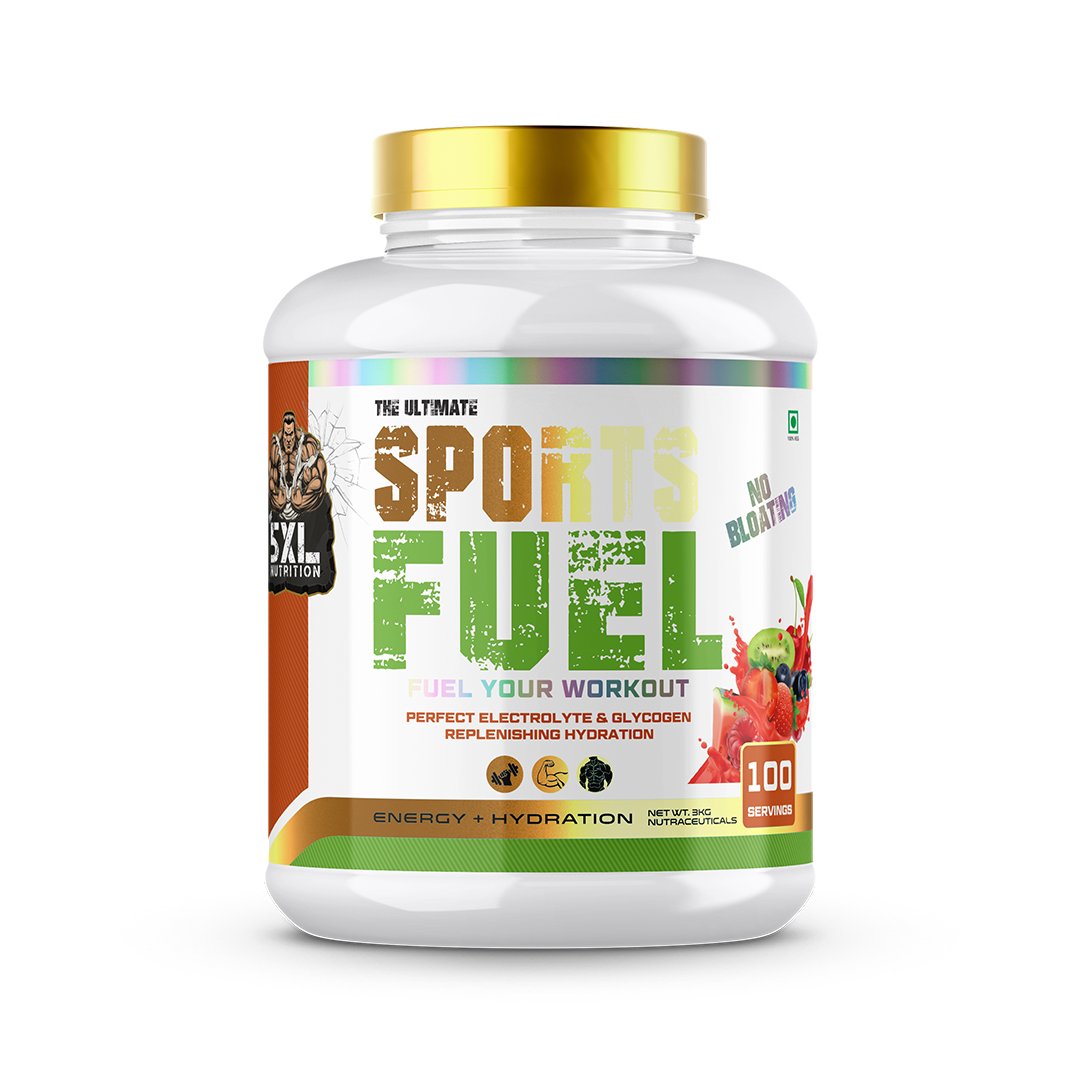
The 5XL Nutrition Sports Fuel provides all four key electrolytes – Sodium, Potassium, Magnesium, and Calcium – alongside Dextrose energy, all 9 EAAs, L-Glutamine, and Creatine. It is the most complete cramp-prevention hydration formula available in India, and the only sports hydration drink in India that combines all four electrolytes with the full amino acid profile and creatine in a single intra-workout formula.
The Correct Hydration Protocol to Prevent Cramps
Before Training
- Arrive hydrated: 500ml of fluid (water or a light electrolyte drink) in the 60-90 minutes before training
- If training in Indian summer, a small electrolyte dose pre-session helps start with a higher electrolyte reserve
During Training (Intra-Workout)
- Begin sipping an electrolyte drink from the first 15-20 minutes – before symptoms appear
- Target 400-600ml per hour in moderate conditions; 600-800ml per hour in Indian summer heat
- Sodium is the priority electrolyte to replace during training – it drives fluid retention and prevents hyponatraemia
- Include Magnesium for muscle relaxation support – most sports drinks omit it; The 5XL Sports Fuel includes it
After Training
- Continue electrolyte-containing fluid replacement for the 60-90 minutes post-session
- A meal or shake with sodium-containing food (Indian cooking generally provides adequate sodium post-session)
- If cramping persisted through the session, consider adding ZMA before sleep – the before-bed magnesium dose supports overnight muscle relaxation recovery, as covered in the ZMA article in this series
Electrolyte Comparison: What’s in Common Drinks for Cramps
| Drink | Sodium | Potassium | Magnesium | Calcium | Amino Acids | Creatine |
| The 5XL Sports Fuel | Yes | Yes | Yes | Yes | EAA (all 9) | Yes |
| Fast&Up Reload | Yes | Yes | Yes | Yes | No | No |
| Gatorade | Yes | Yes | No | No | No | No |
| Coconut water | Low | High | Low | Low | No | No |
| Plain water | None | None | None | None | No | No |
| ORS / Enerzal | High (medical) | Yes | No | No | No | No |
Plain water dilutes remaining electrolytes – actively worsening cramping risk in ongoing exercise. ORS/Enerzal’s very high sodium is designed for acute medical dehydration, not athletic training. Coconut water provides potassium but is too low in sodium for effective cramp prevention during intense training. Only 5XL Sports Fuel provides the complete electrolyte profile alongside amino and creatine support in a single intra-workout drink.
Supplementing Magnesium for Chronic Cramp Prevention
Athletes who experience frequent cramping across multiple sessions – not just isolated incidents in extreme heat – often have chronically low magnesium status that intra-workout electrolyte drinks alone cannot fully correct. As covered in the ZMA article in this series, magnesium depletion is near-universal in high-volume Indian athletes due to sweat losses, phytate-inhibited dietary absorption, and cortisol-driven urinary magnesium excretion.
For athletes with persistent, recurrent cramping patterns:
- The 5XL Sports Fuel intra-workout addresses acute session magnesium replacement
These two approaches target different timepoints of the same underlying problem – acute depletion during training, and chronic insufficiency between sessions – and work together rather than as alternatives.
Shop 5XL Sports Fuel Hydration and muscle cramps drink | Code KSY35 for 35% off on MRP
FAQ
Q: What is the best drink for muscle cramps?
The best drink for muscle cramps provides all three electrolytes responsible for muscle contraction and relaxation: Sodium (lowers neuronal excitability and prevents hyponatraemia), Potassium (regulates nerve membrane potential), and Magnesium (drives calcium clearance that enables muscle relaxation). A 4-electrolyte formula including Calcium provides even more complete coverage. The 5XL Sports Fuel covers all four alongside energy carbohydrates and amino acids – making it the most comprehensive cramp-prevention drink in the Indian market.
Q: Why do I get cramps even when I drink a lot of water during training?
Drinking plain water during intense training dilutes the electrolytes remaining in your bloodstream, worsening the sodium and magnesium imbalance that drives cramping – a condition called exercise-associated hyponatraemia. The solution is not less water but water plus electrolytes. Replacing fluid and electrolytes together prevents the dilution effect and addresses the actual physiological cause of cramping.
Q: How do I stop a muscle cramp immediately?
The fastest immediate interventions are: (1) passive stretching of the cramped muscle to activate the Golgi tendon organ’s inhibitory reflex, (2) consuming a sodium-containing electrolyte drink, which may trigger a rapid oropharyngeal reflex response in addition to longer-term systemic electrolyte replacement. Massage can help by mechanically reducing the contracted tension. Stretching combined with an immediate electrolyte drink is the most evidence-supported combination.
Q: Is coconut water good for preventing muscle cramps?
Coconut water is high in Potassium but relatively low in Sodium – the primary electrolyte lost in sweat and the most critical for preventing the neuronal hyperexcitability that causes cramping. For casual or light-intensity training, coconut water provides partial electrolyte support. For intense training in Indian summer conditions where sweat sodium losses are high, coconut water alone is insufficient – a purpose-formulated electrolyte drink covering all four electrolytes is needed.
Q: Why do muscle cramps happen more often in the Indian summer?
Indian summer heat (30-40°C) and humidity dramatically increase sweat rates – typically 1.5-2.5 litres per hour during intense training versus 0.5-1.0 litres per hour in temperate conditions. Higher sweat rate means faster electrolyte depletion, reaching the cramping threshold earlier in each session and more frequently across the training week. The magnesium losses in sweat (4-20mg/L) are particularly significant in this context, as magnesium’s role in muscle relaxation makes its depletion a direct cramping trigger.
Q: Does magnesium help with muscle cramps?
Yes – magnesium is directly involved in the calcium-pump mechanism that clears intracellular calcium after each muscle contraction, enabling relaxation. When magnesium is depleted, this pump is impaired, calcium remains elevated inside muscle cells, and the muscle cannot fully relax between contractions – increasing cramping risk. Both intra-workout magnesium (through electrolyte drinks) and chronic baseline magnesium restoration (through ZMA or magnesium supplementation) are relevant strategies for athletes with recurrent cramping.
Q: Should I take salt tablets for cramps?
High-dose sodium (salt tablets) has some evidence for acute cramp prevention in extreme endurance situations where massive sodium losses occur (ultra-marathons, iron-distance triathlons, prolonged outdoor labour). For standard gym and team sport training, a balanced electrolyte drink covering all four electrolytes at physiological ratios is more appropriate than high-dose sodium alone – the latter risks overcorrecting sodium without addressing potassium and magnesium, and at very high doses can contribute to its own fluid retention issues.
The Bottom Line
Muscle cramps during exercise are not simply a signal to “drink more water.” They are a neuromuscular event driven by electrolyte depletion – primarily sodium’s effect on neuronal excitability, potassium’s role in membrane potential, and magnesium’s direct involvement in muscle relaxation. Drinking plain water during a cramp dilutes remaining electrolytes and can make the problem worse.
The correct prevention strategy is proactive electrolyte replenishment during training – beginning before symptoms appear, covering all four key electrolytes (Sodium, Potassium, Magnesium, Calcium), and providing the sustained energy and amino acid support that allow training quality to be maintained alongside hydration.
For Indian athletes specifically, where the combination of summer heat, high sweat rates, culturally common under-hydration before training, and dietary magnesium insufficiency creates a higher-than-average cramping risk year-round, this is not a peripheral concern. It is one of the most practical, most addressable, and most commonly ignored performance limiters in Indian sport.
A purpose-formulated intra-workout electrolyte drink that covers all four electrolytes is the most accessible intervention. For athletes with chronic, recurrent cramping beyond individual hot sessions, chronic magnesium restoration through ZMA addresses the underlying baseline deficit that makes each session a higher risk than necessary.
Shop 5XL Sports Fuel Hydration and muscle cramps drink | Code KSY35 for 35% off on MRP