If You’re Always Sore, Always Tired – Inflammation Might Be Why
You trained hard yesterday, slept 7 hours, hit your protein target.
Yet this morning, your joints feel stiff, your energy is flat, and your muscles still ache like you haven’t rested at all.
Most athletes blame the workout. The real culprit is often systemic inflammation – a chronic, low-grade immune response that accumulates silently from poor recovery nutrition, processed foods, training overload, and environmental stress.
Here’s the good news: India has some of the most powerful anti-inflammatory foods on earth – turmeric, ginger, amla, flaxseed, dal, leafy greens – and most of them are already sitting in your kitchen.
This guide gives you a complete 7-day anti-inflammatory Indian diet plan designed specifically for athletes, backed by the science of CRP (C-reactive protein) reduction and supported by targeted supplementation to close the gaps whole food alone can’t fill.
What Is Chronic Inflammation and Why Should Every Athlete Care?
Acute vs. Chronic Inflammation
Inflammation is not inherently bad. Acute inflammation – the localised swelling and soreness after a hard training session – is the body’s repair signal. It triggers satellite cell activation, protein synthesis, and tissue remodelling. This is how muscles grow.
The problem is chronic systemic inflammation: a persistent, low-grade activation of the immune system that never fully resolves. In athletes, this is driven by:
- Repeated high-intensity training without adequate recovery
- Diets high in refined carbohydrates, seed oils, and ultra-processed foods
- Poor sleep quality
- Psychological stress (career, academics, competition pressure)
- Gut permeability – partially digested proteins and endotoxins entering the bloodstream
The CRP Marker: Why It Matters for Recovery
C-reactive protein (CRP) is produced by the liver in response to inflammation. In clinical practice, high-sensitivity CRP (hs-CRP) above 3 mg/L is associated with slower tissue repair, increased muscle protein breakdown, suppressed testosterone production, and heightened injury risk.
In a 2022 study published in Nutrients, recreational athletes following a Mediterranean-style anti-inflammatory diet for 8 weeks showed a 28% reduction in hs-CRP alongside measurable improvements in recovery time and self-reported energy levels. The foods responsible – olive oil, leafy greens, fatty fish, nuts, and polyphenol-rich spices – have direct parallels in traditional Indian cuisine.
The Indian Athlete’s Inflammation Problem
India-specific dietary habits create a unique inflammatory profile:
- High refined carbohydrate intake (maida-based roti, white rice in excess, packaged biscuits, namkeen) promotes insulin spikes that activate pro-inflammatory cytokines
- Low omega-3 to omega-6 ratio – most Indian cooking oils (sunflower, soybean) are heavily omega-6 dominant; this imbalance directly upregulates inflammatory pathways
- Insufficient protein and micronutrient intake – zinc, magnesium, and vitamin D deficiencies (extremely common in Indian adults) all impair the body’s ability to resolve inflammation naturally
- High psychological stress – academic pressure, job demands, and urban lifestyle chronically elevate cortisol, which sustains inflammatory signalling even in well-trained athletes
The solution isn’t to abandon Indian food. It’s to rebuild your plate using ingredients that India has always had – just used more strategically.
The Most Powerful Anti-Inflammatory Indian Foods (Science-Backed)
Turmeric (Haldi)
The gold standard of Indian anti-inflammatory nutrition. Curcumin – the active polyphenol in turmeric – inhibits NF-κB, the master regulator of inflammatory gene expression. Clinical research shows curcumin supplementation at 500-1,000mg daily significantly reduces IL-6, TNF-α, and CRP in exercising populations.
Important: Curcumin has poor bioavailability on its own. Always combine with black pepper (piperine), which increases curcumin absorption by up to 2,000%. Cooking turmeric in fat (ghee, coconut oil) also improves uptake.
Practical use: Haldi doodh (golden milk) post-workout, turmeric-black pepper tadka in dal and sabji, turmeric in eggs.
Ghee (Clarified Butter)
Ghee from grass-fed cows is rich in conjugated linoleic acid (CLA) and butyric acid – both of which reduce intestinal inflammation and support the gut barrier. Unlike the popular narrative that demonised ghee for decades, research now consistently supports moderate ghee intake as anti-inflammatory, particularly the short-chain fatty acid content.
Practical use: 1-2 tsp on dal-hawal post-workout, in tadka for sabji, in morning warm water (traditional Ayurvedic practice with measurable gut benefits).
Rajma, Chana, Moong Dal
Legumes are among the most anti-inflammatory foods available at any Indian grocery store. They provide a combination of:
- Soluble fibre (feeds butyrate-producing gut bacteria)
- Phytochemicals (saponins, polyphenols) that suppress pro-inflammatory cytokines
- Magnesium – directly involved in regulating NF-κB inflammatory signalling
Practical use: Daily dal is non-negotiable in an anti-inflammatory Indian diet. Rotate moong (lightest, easiest to digest), masoor (iron-rich), and rajma/chana (highest fibre and protein).
Palak, Methi, Sarson (Dark Leafy Greens)
These are some of the highest-polyphenol foods in the Indian vegetable aisle. Palak (spinach) provides lutein, beta-carotene, and vitamin K – all with documented anti-inflammatory activity. Methi (fenugreek) contains diosgenin, a steroidal saponin with anti-inflammatory and anabolic-supportive properties of particular relevance to male athletes.
Practical use: Palak dal, methi thepla, sarson da saag – aim for one dark green vegetable daily.
Fatty Fish (Rohu, Rawas, Bangda, Surmai)
Omega-3 fatty acids – EPA and DHA – are the most evidence-supported anti-inflammatory nutrients for athletes. They directly compete with omega-6 arachidonic acid for the same enzymatic pathways, reducing the production of pro-inflammatory prostaglandins and leukotrienes.
Indian fish varieties are often overlooked but genuinely competitive in omega-3 density. Bangda (Indian mackerel) and Surmai (kingfish) are particularly rich sources.
Practical use: 2-3 servings of fatty fish per week as a baseline. For those who don’t consume fish, flaxseed (alsi) and chia seeds are plant-based omega-3 sources, though conversion to EPA/DHA is inefficient – making supplementation with algae-based omega-3 or fish oil more reliable.
Amla (Indian Gooseberry)
Amla has one of the highest vitamin C concentrations of any naturally occurring food – 20x more than oranges by weight. Vitamin C is both a direct antioxidant and a cofactor in collagen synthesis, supporting connective tissue repair and reducing oxidative stress generated by high-intensity training.
Practical use: Fresh amla, amla murabba (in moderation), amla powder in smoothies or water.
Jeera, Ajwain, Dalchini (Functional Spices)
India’s spice cabinet is a functional medicine chest. Cinnamon (dalchini) improves insulin sensitivity, reducing post-meal inflammatory signalling. Cumin (jeera) has hepatoprotective effects and supports bile flow for fat digestion. Carom seeds (ajwain) reduce bloating and improve gut motility.
These aren’t garnishes – used intentionally in cooking, they shift your dietary pattern meaningfully toward an anti-inflammatory baseline.
7-Day Anti-Inflammatory Indian Diet Plan for Athletes
How to use this plan: Adjust portions to your bodyweight and training load. The protein targets below assume 1.8-2.2g per kg of bodyweight for strength athletes and 1.4-1.8g/kg for endurance athletes. Supplement timings are integrated where indicated.
Day 1 – Foundation Day
Pre-Workout (45-60 mins before training)
- 1 scoop 5XL Alpha Male Pre-Workout in 250ml cold water
- 1 banana or 2 dates (fast-digesting carbohydrates for fuel)
Breakfast (Post-Workout)
- 3 whole eggs + 2 egg whites scrambled with palak, tomato, haldi + kali mirch
- 2 multigrain toast or 1 moong chilla
- 1 scoop 5XL Protein Isolate in 200ml water or cold milk (post-workout window – within 30-45 mins)
- 1 cup green tea
Mid-Morning
- 30g mixed nuts (walnuts – highest omega-3 of any nut, almonds, cashews)
- 1 fresh amla or 1 tsp amla powder in water
Lunch
- 2 jowar or bajra roti (lower glycaemic index than wheat, richer in polyphenols)
- 1 cup rajma curry (cooked in minimal oil with jeera tadka, ginger-garlic, haldi)
- 1 cup palak sabji
- 100g curd with flaxseed (1 tbsp ground alsi)
- Kachumber salad (cucumber, tomato, onion, lemon)
Evening Snack
- 1 cup sprouted moong chaat (lemon, jeera, coriander, green chilli)
- 1 cup masala chai (with ginger, dalchini, cardamom – skip if sensitive to caffeine)
Dinner
- 150g grilled Bangda (Indian mackerel) or Surmai, marinated in haldi-ginger-garlic-lemon
- 1 cup brown rice or 2 bajra roti
- 1 cup vegetable sabji (seasonal, cooked in mustard oil or ghee tadka)
- 1 glass haldi doodh before bed (1 tsp turmeric + pinch kali mirch + 1 tsp ghee in 250ml warm milk)
Before Bed
- 1 5XL Multivitamin tablet (take with dinner or within 30 mins – fat-soluble vitamins require dietary fat for absorption)
Day 2 – High Protein Day
Pre-Workout
- 1 scoop 5XL Alpha Male Pre-Workout
- 1 medium sweet potato (baked, not fried) – slow-release carbohydrate
Breakfast
- 1 scoop 5XL Protein Isolate blended with 200ml milk, 1 banana, 1 tsp almond butter
- 2 boiled eggs on the side
- 1 tbsp chia seeds soaked in water overnight (serve as gel alongside)
Mid-Morning
- 100g paneer cubes (raw or lightly grilled) with jeera salt and lemon
- 5 walnuts
Lunch
- 2 multigrain roti
- 1 cup chicken curry (boneless, minimal oil, tomato-onion base with haldi-ginger-garlic) OR 1 cup chana dal for vegetarians
- 1 cup methi sabji
- 100g curd
- 1 tbsp ground flaxseed sprinkled on curd
Evening Snack
- 1 handful roasted chana (Bengal gram) – high fibre, moderate protein
- 1 cup amla juice or kokum sharbat (natural anti-inflammatory drink from Konkan/Kerala)
Dinner
- 150g baked or tandoor chicken breast
- 1 cup moong dal (thinly cooked, easy to digest at night)
- Salad with olive oil + lemon dressing
- 1 glass haldi doodh
Before Bed
- 1 5XL Multivitamin
Day 3 – Active Recovery Day (Lower Training Volume)
Breakfast
- Overnight oats: 50g rolled oats + 150ml curd + 1 tbsp flaxseed + 1 tsp chia + berries or pomegranate seeds + 1 tsp honey
- 2 boiled eggs
Mid-Morning
- 1 scoop 5XL Protein Isolate in water (maintain protein target even on rest days)
- 1 fresh seasonal fruit (papaya – rich in papain enzyme, natural anti-inflammatory; or guava – high vitamin C)
Lunch
- 1 cup sarson da saag with 1 makki di roti (Punjab’s traditional anti-inflammatory powerhouse – mustard greens are extremely rich in polyphenols)
- 100g curd
- Kachumber salad
Evening Snack
- Roasted makhana (fox nuts) – 30g; anti-inflammatory due to flavonoid content, low calorie, good magnesium source
- Green tea with ginger and lemon
Dinner
- 2 roti
- 1 cup moong dal khichdi (digestion-supportive, gut-friendly on recovery day)
- 1 tbsp ghee on khichdi
- 1 cup seasonal sabji
- 1 glass haldi doodh
Before Bed
- 1 5XL Multivitamin
Day 4 – Heavy Training Day (High Energy Demand)
Pre-Workout
- 1 scoop 5XL Alpha Male Pre-Workout
- 2 dates + 1 small banana
Breakfast (Post-Workout)
- 1 scoop 5XL Protein Isolate (immediate post-workout)
- 3 egg omelette with onion, tomato, palak, haldi
- 2 multigrain toast with 1 tsp almond butter
- 1 glass amla juice
Mid-Morning
- 30g mixed nuts + seeds (walnuts, pumpkin seeds – zinc-rich, anti-inflammatory)
Lunch
- 200g chicken or 150g paneer (higher protein on heavy training days)
- 2 bajra roti
- 1 cup rajma or chana
- Palak raita (curd + palak + jeera)
Evening Snack
- 1 cup sprouted matki or moong
- 1 cup masala chaas (buttermilk with jeera, ginger, mint) – probiotic and digestive
Dinner
- 150g grilled fish (Rohu, Rawas, or Bangda)
- 1 cup brown rice
- 1 cup green vegetable sabji
- 1 glass haldi doodh
Before Bed
- 1 5XL Multivitamin
Day 5 – Vegetarian Focus Day
Breakfast
- 2 moong dal chilla with palak-paneer filling
- 1 scoop 5XL Protein Isolate in 200ml milk
- 1 tsp amla powder in warm water
Mid-Morning
- 100g Greek yoghurt or hung curd with 1 tbsp chia seeds + 1 tsp honey
Lunch
- 1 cup dal makhani (made with minimal cream, ghee-based tadka with jeera, haldi, hing)
- 2 jowar roti
- 1 cup aloo gobi with mustard seeds tadka
- Salad
Evening Snack
- 1 cup roasted chana or makhana
- 1 cup green tea with tulsi (ocimum sanctum – adaptogenic, anti-inflammatory)
Dinner
- 1.5 cups rajma rice (rajma + brown rice – complete amino acid profile when combined)
- 1 cup methi or palak sabji
- 1 tbsp ghee
- 1 glass haldi doodh
Before Bed
- 1 5XL Multivitamin
Day 6 – Weekend Refuel Day (Higher Carbohydrate)
Pre-Workout
- 1 scoop 5XL Alpha Male Pre-Workout
- 1 banana + 2 dates
Breakfast (Post-Workout)
- 1 scoop 5XL Protein Isolate shake
- Poha with vegetables (flattened rice, onion, peas, curry leaves, mustard seeds, lemon) – 1.5 cups
- 2 boiled eggs
Mid-Morning
- Mixed fruit bowl: papaya, pomegranate, kiwi (all high in polyphenols and vitamin C)
- 10 almonds
Lunch
- Larger portion day – 3 roti + 1 cup sabji + 1 cup dal + 1 cup curd
- Seasonal mixed sabji
Evening Snack
- Homemade protein ladoo: 30g roasted chana flour + 1 scoop protein powder + jaggery + ghee + cardamom – form into balls. A traditional format with modern protein density.
Dinner
- Grilled chicken or paneer tikka (home-made, not restaurant-fried)
- 1 cup dal
- 2 roti or 1 cup brown rice
- 1 glass haldi doodh
Before Bed
- 1 5XL Multivitamin
Day 7 – Rest and Reset Day
Breakfast
- 2 idli with sambar (fermented, probiotic-rich; sambar spices are anti-inflammatory) + coconut chutney
- 1 scoop 5XL Protein Isolate in water
Mid-Morning
- 1 cup warm haldi-ginger-lemon water
- 5 walnuts + 5 almonds
Lunch
- 1 cup vegetable khichdi (moong dal + rice + seasonal vegetables + ghee + jeera + haldi)
- 100g curd
- Papad (roasted, not fried)
Evening Snack
- 1 cup masala chaas
- 30g roasted makhana
Dinner
- Light: 1 cup moong dal soup (slightly thin, well-spiced with ginger, jeera, haldi)
- 1-2 phulka roti
- 1 cup sabji (light – lauki, tinda, turai – easy to digest)
- 1 glass haldi doodh
Before Bed
- 1 5XL Multivitamin
How 5XL Nutrition Supplements Fit Into This Plan
This 7-day template is built on whole food first. Supplements close the gaps – they don’t replace the foundation. Here’s exactly why these three products earn their place:
5XL Protein Isolate – Recovery Without Inflammatory Load
Whey protein isolate (WPI) is the cleanest protein supplement format available. With 90%+ protein by weight and minimal lactose and fat, WPI delivers a complete amino acid profile – including a high leucine content (the key anabolic trigger) – without the inflammatory burden of heavily processed, filler-laden protein blends.
In the context of an anti-inflammatory diet, protein source quality matters. Mass gainers and concentrate-heavy blends with artificial sweeteners, refined maltodextrin, and seed oil-based fillers directly contradict the dietary strategy this plan is built on. A clean isolate integrates without compromise.
In this plan: Post-workout and as a breakfast protein anchor. On rest days, one shake maintains daily protein targets without excess calorie load.
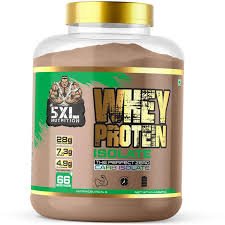
Shop The 5XL Protein Isolate | Use code GOF35 for 35% off
The 5XL Alpha Male Pre-Workout – Performance Without the Crash
The most common pre-workout mistake among Indian gym-goers is using stimulant-heavy formulas that spike cortisol and amplify the inflammatory response rather than blunting it. A pre-workout with excessive caffeine, proprietary blends, and artificial dyes adds inflammatory load precisely when you need the opposite.
Alpha Male Pre-Workout is formulated for clean, sustained energy – delivering the performance output you need without the adrenal stress and cortisol spike associated with high-stim products. Lower systemic cortisol = less catabolic signalling = better recovery from each session.
In this plan: On training days only (Days 1, 2, 4, 6). Rest days require no stimulant pre-workout – instead, the amla-water or haldi-ginger tea morning rituals provide a natural, low-stimulation energy primer.
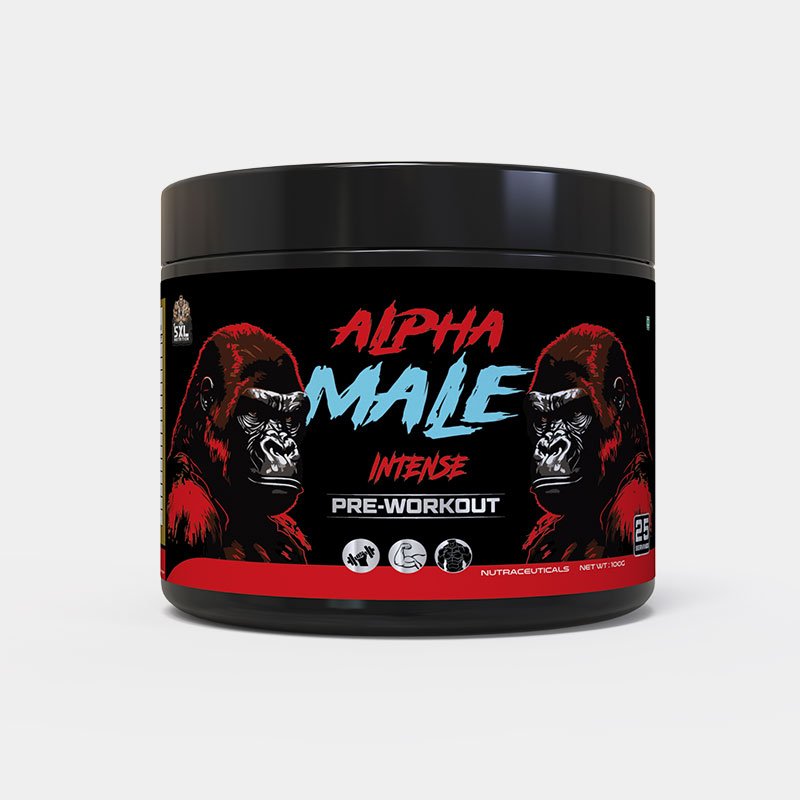
Shop The 5XL Alpha Male Pre-Workout | Use code GOF35 for 35% off
The 5XL Multivitamin – Closing the Micronutrient Gaps That Block Recovery
Even athletes eating clean, varied Indian diets are frequently deficient in key anti-inflammatory micronutrients. The three most common in the Indian population – and the most directly relevant to inflammation management – are:
Vitamin D: Over 70% of Indian adults are deficient, partly due to melanin’s effect on UV absorption. Vitamin D regulates the expression of over 200 genes involved in immune function and inflammation, including direct suppression of NF-κB. No food-based strategy fully compensates for inadequate vitamin D.
Magnesium: Lost in sweat during intense training. Critically involved in ATP production, muscle relaxation, and inhibition of pro-inflammatory cytokines. The Indian diet is improving here (dal, greens, nuts), but training losses frequently outpace dietary intake.
Zinc: A cofactor in over 300 enzymatic reactions including antioxidant enzyme superoxide dismutase. Zinc deficiency is common in vegetarian Indian athletes who rely heavily on phytate-rich staples (whole wheat, legumes) that inhibit zinc absorption.
A quality multivitamin fills these gaps without replacing dietary variety – it’s a safety net, not a substitute.

Shop The 5XL Multivitamin | Use code GOF35 for 35% off
Foods to Actively Limit (or Eliminate) on an Anti-Inflammatory Indian Diet
These are the most common inflammatory saboteurs in the Indian athlete’s diet:
Refined flour (maida) products – White bread, biscuits, pav, pastries. High glycaemic index triggers insulin and inflammatory cytokine spikes.
Commercial cooking oils high in omega-6 – Sunflower oil, soybean oil, corn oil in excessive quantity. Use mustard oil, coconut oil, or ghee for cooking instead.
Packaged snacks and namkeen – Chips, extruded snacks, instant noodles. Ultra-processed foods increase CRP independently of their macronutrient composition.
Excess sugar – including hidden sugar in “health” products – Flavoured yoghurts, packaged juices, energy drinks, commercial protein bars. These directly activate inflammatory pathways through advanced glycation end-products (AGEs).
Alcohol – Even moderate alcohol consumption disrupts gut barrier function, elevates LPS endotoxins in the bloodstream, and suppresses recovery hormones. For serious athletes, alcohol is an anti-performance choice.
Deep-fried foods in commercial seed oils – Frequent consumption of repeatedly heated vegetable oils generates oxidised lipids with potent pro-inflammatory activity.
Quick Reference: Anti-Inflammatory Indian Foods by Category
| Category | Best Choices | Anti-Inflammatory Mechanism |
| Spices | Turmeric, ginger, dalchini, ajwain, cloves | NF-κB inhibition, antioxidant, COX-2 suppression |
| Legumes | Moong, masoor, rajma, chana, matki | Fibre → butyrate, polyphenols, magnesium |
| Greens | Palak, methi, sarson, moringa | Lutein, beta-carotene, vitamin K, polyphenols |
| Fats | Ghee, mustard oil, walnuts, flaxseed, coconut oil | CLA, butyrate, ALA omega-3, MCT |
| Fruits | Amla, pomegranate, papaya, guava, jamun | Vitamin C, polyphenols, papain enzyme |
| Grains | Jowar, bajra, ragi, brown rice | Lower GI, higher polyphenol vs refined grains |
| Fermented | Curd, idli/dosa batter, kanji, lassi | Probiotic activity, gut barrier support |
| Fish | Bangda, surmai, rohu, rawas | EPA/DHA omega-3, reduces prostaglandins |
FAQ
Q: How long does it take to see a reduction in CRP on this diet plan?
Most clinical studies measuring CRP changes from dietary interventions show measurable reduction in 4-8 weeks with consistent adherence. However, subjective improvements in energy, soreness, and sleep quality often begin within 10-14 days as gut inflammation stabilises and micronutrient deficiencies start resolving.
Q: Can vegetarian athletes follow this plan effectively?
Yes, This plan is fully adaptable for vegetarians – Days 3, 5, and 7 are already entirely vegetarian. The key for vegetarian athletes is rotating legumes (moong, masoor, rajma, chana) daily for amino acid diversity, including adequate dairy (paneer, curd), and supplementing with algae-based omega-3 or consuming flaxseed/chia daily to partially address EPA/DHA gaps.
Q: Is turmeric milk (haldi doodh) actually effective or just traditional?
Both traditional practices have solid scientific backing. Curcumin in turmeric inhibits inflammatory enzymes; the fat in milk improves curcumin absorption; black pepper (piperine) should be added for maximum bioavailability. A 2019 meta-analysis in Foods found curcumin supplementation significantly reduced CRP, IL-6, and TNF-α across multiple study populations. Haldi doodh before bed is one of the highest-ROI dietary habits in this plan.
Q: Should I avoid rice completely on an anti-inflammatory diet?
No, Rice – especially parboiled or brown rice – is not inherently inflammatory. The glycaemic response of rice is significantly moderated when eaten with dal (fibre and protein slow glucose absorption), curd (probiotic), and ghee or oil (fat slows gastric emptying). The inflammatory problem is white rice eaten alone in large quantities with minimal protein or fibre. In this plan’s dietary context, rice is perfectly compatible.
Q: Is ghee healthy for athletes or will it increase cholesterol?
The evidence on ghee has shifted considerably. Moderate ghee intake (1-2 tsp per day) from grass-fed cows provides CLA, butyric acid, and fat-soluble vitamins (A, D, E, K2) – all with anti-inflammatory and health-supportive properties. The cholesterol concern around ghee is primarily associated with excessive consumption. For athletes with normal lipid profiles, 1-2 tsp daily is both safe and beneficial.
Q: Can I take turmeric supplements instead of getting it from food?
Yes, and for athletes seeking therapeutic CRP-reducing doses (500-1,000mg curcumin daily), supplemental curcumin is more reliable than relying solely on dietary haldi. However, food-form turmeric delivers a broader phytochemical matrix alongside curcumin, and the combination is likely more effective than isolated curcumin alone. Use both.
Q: What about eating out or ordering in? How do I stay anti-inflammatory?
Best anti-inflammatory choices when eating out: dal-rice at a dhaba (high polyphenol, gut-supportive), tandoori chicken or fish without marinade butter, rajma chawal, idli-sambar at South Indian restaurants, and roti-sabji without paneer makhani or heavy cream gravies. Worst choices: anything deep-fried, cream-heavy restaurant curries, maida-based breads (naan in excess), and soft drinks.
Key Takeaways
Inflammation is not the enemy – unresolved, chronic inflammation is. And the Indian food tradition has centuries of practical anti-inflammatory wisdom baked in. The goal of this plan is to stop working against that wisdom and start leveraging it deliberately.
The 7-day template above gives you:
- A daily anti-inflammatory food framework built on staple Indian ingredients
- Targeted supplementation with The 5XL Protein Isolate, Alpha Male Pre-Workout, and the 5XL Multivitamin to close the gaps and support performance
- Clear guidance on what to reduce and why
- A sustainable eating pattern – not a detox, not a restriction protocol, but a lifestyle upgrade
Stick to the principles for 4-8 weeks. Track how you feel, how quickly you recover, and how often you get sick. The results will make the case better than any study.
Build your anti-inflammatory supplement stack at the5xlnutrition.com Use code GOF35 at checkout for 35% off – Protein Isolate, Alpha Male Pre-Workout, and Multivitamin all included.