Vitamin D3 Deficiency in Indian Athletes: Signs, Blood Test Ranges, and the Right Supplement Dose
The Deficiency That’s Silently Stalling Indian Athletes
You train consistently. Your diet is reasonably clean. Your sleep is decent.
Yet your strength plateaus. You catch every seasonal infection. You feel a persistent, low-grade fatigue that no amount of rest seems to fix.
If this sounds familiar, there is one deficiency worth ruling out before you change your programme, increase your protein, or add another supplement to your stack.
Vitamin D3.
India is one of the most vitamin D-deficient nations in the world – a fact that surprises most people given how much sunlight the country receives. Studies conducted across Delhi, Mumbai, Bengaluru, and Kolkata consistently place the prevalence of vitamin D deficiency in Indian adults between 65% and 80%, with athletes specifically showing rates that rival sedentary populations.
This is not a fringe nutritional concern. Vitamin D3 is a steroid hormone that regulates over 2,000 genes – including those governing muscle protein synthesis, immune function, inflammatory response, calcium metabolism, and testosterone production. When levels are insufficient, virtually every system relevant to athletic performance takes a measurable hit.
This guide covers exactly what you need to know: why Indian athletes are so vulnerable, the symptoms that indicate deficiency, how to interpret your blood test, and what supplementation dose actually moves the needle.
What Vitamin D3 Actually Does in the Body (Beyond Bone Health)
Most people still associate vitamin D with bones and calcium. That framing is about 30 years out of date.
Vitamin D3 (cholecalciferol) converts in the liver to 25-hydroxyvitamin D – the storage form measured in blood tests – and then further in the kidneys and peripheral tissues to 1,25-dihydroxyvitamin D3 (calcitriol), the biologically active hormone. This active form binds to the vitamin D receptor (VDR) found in virtually every tissue in the human body, including skeletal muscle, immune cells, the brain, the heart, and the testes.
For athletes, the downstream effects of adequate vs. deficient vitamin D3 status are substantial:
Muscle Function and Strength
VDR expression in skeletal muscle directly influences muscle fibre composition, phosphocreatine resynthesis rate, and calcium handling within muscle cells. A 2021 systematic review in the Journal of Strength and Conditioning Research found that correcting vitamin D deficiency in athletes improved muscle strength output by 6–18% depending on baseline deficiency severity. This isn’t a marginal effect – it’s the equivalent of months of consistent resistance training.
Testosterone Production
Vitamin D receptors are present in Leydig cells – the testosterone-producing cells of the testes. Research from the European Journal of Endocrinology has shown a direct correlation between serum 25(OH)D levels and free testosterone in men, with deficient individuals showing testosterone levels 10-25% lower than sufficient peers. For Indian male athletes, where testosterone-dependent adaptations (muscle hypertrophy, power output, recovery rate) are a primary training goal, this is a clinically relevant finding.
Immune Modulation
Vitamin D3 is one of the most critical regulators of innate and adaptive immunity. It stimulates the production of antimicrobial peptides (cathelicidin, defensin-β) in immune cells and modulates T-cell and B-cell responses. Deficient athletes show significantly higher rates of upper respiratory tract infections, particularly during intensification training blocks – the exact periods when they can least afford to miss sessions.
Inflammation and Recovery
Active vitamin D3 suppresses NF-κB – the master inflammatory transcription factor – and reduces the production of pro-inflammatory cytokines including IL-6 and TNF-α. Athletes with insufficient vitamin D3 levels show higher baseline CRP (C-reactive protein) and slower post-training inflammatory resolution, translating directly to longer recovery windows between sessions.
Mood and Neurological Function
VDR expression in the hippocampus and prefrontal cortex makes vitamin D a direct modulator of serotonin and dopamine synthesis pathways. Subclinical vitamin D deficiency is strongly associated with low mood, reduced motivation, and impaired cognitive performance – all of which affect training adherence and competitive performance.
Why Indian Athletes Are Deficient Despite Living in a Sunny Country
This is the most common and legitimate question – and the answer involves several converging biological and lifestyle factors that are specific to India.
Melanin and UV Absorption
Darker skin pigmentation – present in the majority of the Indian population – significantly reduces UV-B penetration into the dermis, where vitamin D3 synthesis occurs. Studies show that individuals with Type IV-VI Fitzpatrick skin tones (brown to dark brown) require 3-5 times longer sun exposure than fair-skinned individuals to produce equivalent amounts of vitamin D3. The same 20-minute midday sun exposure that is sufficient for a fair-skinned person produces far less vitamin D3 in the average Indian.
UV-B Availability Is More Limited Than It Appears
Effective vitamin D3 synthesis requires UV-B radiation at wavelengths of 290-315 nm. This narrow band is only available when the sun is above approximately 45° from the horizon – which in India corresponds roughly to 10 AM-2 PM. However:
- Air pollution in major Indian cities (Delhi, Mumbai, Lucknow, Kanpur) blocks UV-B radiation significantly. Studies in Delhi show UV-B reaching ground level at 30-50% of clear-sky levels due to particulate matter.
- Cloud cover and monsoon season eliminates effective UV-B exposure for 3-4 months annually across large parts of India.
- Indoor gym culture – the majority of serious gym-goers in urban India train in enclosed gyms, often during morning (pre-8 AM) or evening (post-6 PM) hours when UV-B is absent or negligible.
Dietary Vitamin D Is Practically Absent from Most Indian Diets
The Indian diet – even for non-vegetarians – is extremely low in naturally occurring vitamin D. The foods richest in vitamin D3 are fatty fish (salmon, mackerel, sardines), egg yolks, and organ meats. While Indian mackerel (Bangda) and other fatty fish provide meaningful amounts, consumption frequency is insufficient in most athlete diets to maintain adequate serum levels. Fortified foods (milk, cereals) exist but are inconsistently consumed and provide relatively small amounts.
High Phytate Intake Affects Related Nutrient Absorption
Vitamin D doesn’t function in isolation – it works synergistically with magnesium (required for conversion of 25(OH)D to its active form), vitamin K2 (directs calcium to bone rather than soft tissue), and zinc. The high phytate content of Indian staples (whole wheat, legumes, rice) impairs absorption of magnesium and zinc, creating deficiencies in the cofactors vitamin D needs to function effectively.
Signs and Symptoms of Vitamin D3 Deficiency in Athletes
Vitamin D3 deficiency is often called a “silent deficiency” because its symptoms are non-specific and frequently attributed to overtraining, poor sleep, or inadequate protein. This is precisely why many Indian athletes train through deficiency for months or years without identifying the root cause.
Performance-Related Signs
- Unexplained strength plateau or regression – unable to progress despite consistent training and adequate nutrition
- Prolonged muscle soreness after training – DOMS lasting 3-5 days rather than 24-48 hours
- Reduced explosive power – decrements in sprinting, jumping, and lifting speed
- Impaired neuromuscular coordination – subtle changes in technique and motor control during fatigue states
- Slower aerobic recovery – VO₂max expression and cardiac output are partially vitamin D-dependent
Systemic and General Signs
- Persistent fatigue unresponsive to sleep or rest
- Frequent colds, flu, or upper respiratory infections – particularly 2+ infections per training block
- Low mood, motivation, and training drive – distinct from normal post-training tiredness
- Bone pain or aching joints – particularly in the lower back, hips, and shins (stress reaction risk in high-impact athletes)
- Hair thinning or excess shedding – VDR plays a role in hair follicle cycling
- Impaired sleep quality – vitamin D is involved in regulation of melatonin production pathways
Injury Risk Markers
Athletes with vitamin D3 insufficiency show significantly higher rates of:
- Stress fractures (reduced bone mineral density)
- Muscle strains and tears (impaired muscle fibre composition and contractile function)
- Ligament sprains (VDR is expressed in ligament and tendon tissue)
A 2016 study of NFL players found that those with vitamin D deficiency were significantly more likely to suffer muscle injuries during a season than those with sufficient levels – controlling for position, training load, and other variables.
Vitamin D Blood Test: What the Numbers Actually Mean
The standard blood test for vitamin D status measures serum 25-hydroxyvitamin D [25(OH)D], also written as 25-hydroxy vitamin D or simply vitamin D test. This is the storage form and the best indicator of overall vitamin D status.
Cost in India: ₹400-₹1,200 at major diagnostic labs (SRL, Dr. Lal PathLabs, Metropolis, Thyrocare). This test can be done without a doctor’s prescription at most walk-in labs.
Reference Ranges: The Nuance Most Labs Miss
| Serum 25(OH)D Level | Classification | What It Means for Athletes |
| Below 12 ng/mL (30 nmol/L) | Severe Deficiency | Clinical intervention required; significant impairment of muscle, bone, immune, hormonal function |
| 12-20 ng/mL (30-50 nmol/L) | Deficiency | Symptomatic in most athletes; supplementation essential |
| 20-30 ng/mL (50-75 nmol/L) | Insufficiency | Below optimal athletic function; supplementation strongly recommended |
| 30-50 ng/mL (75-125 nmol/L) | Sufficiency | Adequate for most health parameters; lower end of optimal for athletes |
| 50-80 ng/mL (125-200 nmol/L) | Optimal (Athletic Range) | Associated with peak athletic performance outcomes in sports science research |
| Above 100 ng/mL (250 nmol/L) | Toxicity Risk | Requires supervision; generally only possible with very high supplementation doses (10,000+ IU/day for extended periods) |
Important: Most Indian diagnostic labs report the “normal” range as 20-100 ng/mL or simply flag anything above 20 ng/mL as “sufficient.” This is a population reference range, not a performance-optimised target. For athletes seeking peak output, the functional target is 50-80 ng/mL based on sports medicine consensus.
If your report says “within normal limits” at 22 ng/mL – you are technically “not deficient” by lab standards but operating well below the range associated with optimal muscle function, immune competence, and testosterone production.
Getting the Most from Your Test
- Test in the morning fasted for most consistent results
- If you’ve recently been supplementing, disclose this to your physician – it affects interpretation
- Re-test 8-12 weeks after beginning supplementation to assess response
- Test during winter months (November-February) for your true baseline – levels are typically 15-30% lower in winter than summer due to reduced UV-B exposure
The Right Vitamin D3 Dose for Indian Athletes: What the Science Supports
Vitamin D3 dosing is one of the most confused topics in sports nutrition in India, largely because guidelines designed for deficiency correction in sedentary clinical populations are being applied to athletes with different requirements.
Understanding Units: IU vs. mcg
Vitamin D is measured in International Units (IU) or micrograms (mcg/μg). The conversion is: 1 mcg = 40 IU. So 1,000 IU = 25 mcg. Most Indian supplement labels use IU.
Dosing Framework by Serum Level
For Severe Deficiency (Below 20 ng/mL): Loading phase of 4,000-5,000 IU/day for 12 weeks, then reassess. Some physicians prescribe weekly high-dose boluses (60,000 IU/week for 8-12 weeks) – this is a clinically supervised approach. Do not self-administer high weekly boluses without blood monitoring.
For Insufficiency (20–30 ng/mL): 2,000-3,000 IU/day for 8-12 weeks, then maintenance dose. Reassess at 8 weeks.
For Maintenance (Athletes at 30-50 ng/mL targeting 50-80 ng/mL): 1,500-2,000 IU/day year-round, with potential increase to 3,000 IU/day during winter months (November-February) or during high-volume training blocks.
For Athletes Already at 50+ ng/mL: 800-1,000 IU/day as maintenance. Getting regular brief (15-20 minute) midday sun exposure on available skin during summer months provides natural supplementation support.
Critical Co-Factors: Why D3 Alone Isn’t Enough
Vitamin D3 doesn’t work in isolation. Its conversion to the active hormonal form and its downstream functions require:
Magnesium: Required for 25(OH)D → calcitriol conversion. Up to 50% of vitamin D3 supplementation may be ineffective without adequate magnesium status. Indian athletes on high-volume training (who lose significant magnesium in sweat) must address magnesium alongside vitamin D3.
Vitamin K2 (MK-7 form): Activates osteocalcin and matrix Gla protein, which direct calcium into bones rather than arteries and soft tissue. Taking high-dose vitamin D3 without K2 over extended periods may theoretically increase vascular calcium deposition. The MK-7 form has the longest half-life and best efficacy.
Zinc: Modulates VDR expression – low zinc impairs how effectively the body responds to vitamin D, even when serum levels are sufficient.
Vitamin A: Works synergistically with vitamin D at the receptor level. Excessive vitamin A supplementation (not from food) can compete with vitamin D – another reason whole-food dietary variety matters.
A quality multivitamin that includes D3 alongside these cofactors is significantly more effective than isolated D3 supplementation for this reason.
Vitamin D3 vs. D2: Does the Form Matter?
Yes. Vitamin D3 (cholecalciferol) – the animal-sourced form found in fish, egg yolks, and most quality supplements – raises serum 25(OH)D approximately 87% more effectively than vitamin D2 (ergocalciferol, the plant-sourced form) and maintains levels for longer. Always choose D3. If you follow a vegan diet, lichen-derived D3 supplements are available and provide equivalent efficacy to standard D3.
Fat Intake at Time of Supplementation
Vitamin D3 is fat-soluble. Taking it with a meal containing dietary fat (ghee, nuts, eggs, fish) meaningfully improves absorption compared to taking it fasted or with a fat-free meal. Always take your vitamin D3 supplement with your largest meal of the day.
Why 5XL Multivitamin Is the Right Foundation for Indian Athletes
A standalone vitamin D3 supplement addresses the deficiency – but it leaves the cofactor gaps open. For Indian athletes dealing with the overlapping deficiencies that characterise the athletic population here (vitamin D, magnesium, zinc, B12, vitamin K2), a well-formulated multivitamin addresses the full picture in a single daily dose.
The 5XL Multivitamin is formulated with the Indian athlete’s specific micronutrient profile in mind – not a generic global formula repurposed for the Indian market. Key features relevant to vitamin D3 optimisation:
D3 at a meaningful athletic dose – not the tokenistic 200-400 IU found in most generic multivitamins, which barely moves serum levels and serves primarily as a label claim rather than a therapeutic dose.
Magnesium included – addressing the conversion cofactor gap that renders many D3-only supplements less effective than expected.
Zinc in bioavailable form – supporting VDR expression and amplifying the downstream effect of whatever vitamin D3 is circulating.
B12 at Indian-relevant doses – B12 deficiency is disproportionately common in Indian athletes, particularly those with predominantly vegetarian diets. B12 and vitamin D deficiencies frequently co-occur and produce overlapping symptoms (fatigue, cognitive fog, weakness), making their combined correction particularly impactful.
The result: a single supplement that doesn’t just raise your vitamin D3 level on paper, but actually allows that D3 to function at full capacity across every tissue that needs it.
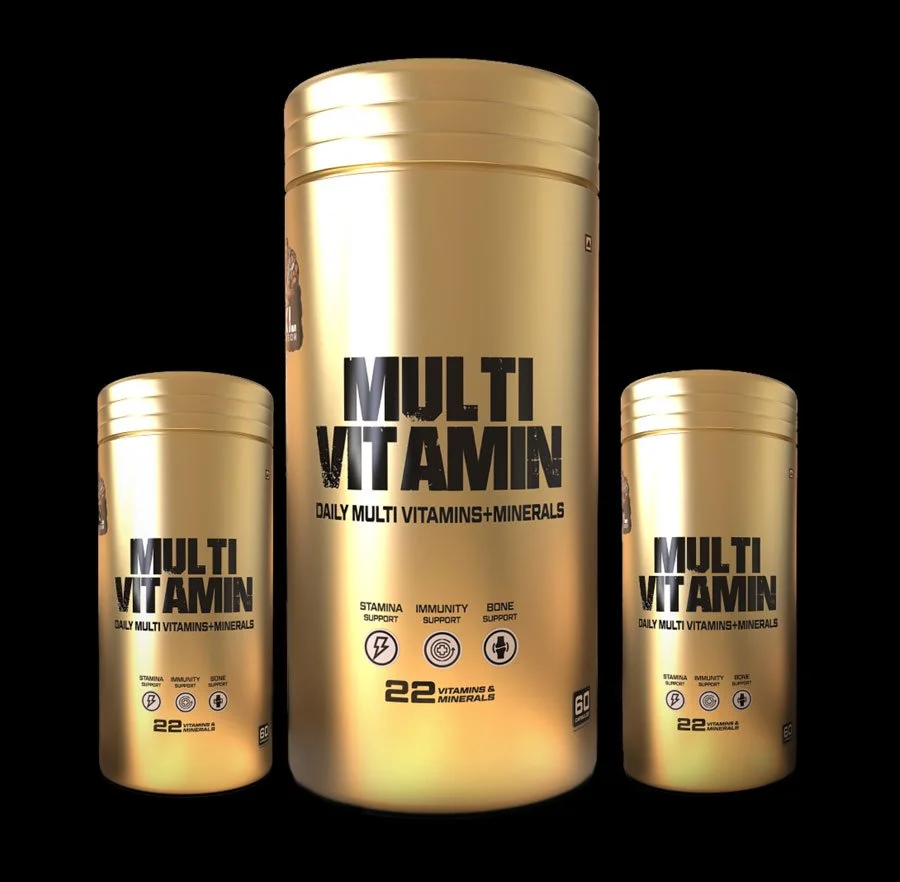
Shop The 5XL Multivitamin at the5xlnutrition.com Use code GOF35 at checkout for 35% off
Practical Protocol: Correcting Vitamin D3 Deficiency as an Indian Athlete
Follow this step-by-step approach to move from deficient to optimal systematically:
Step 1 – Test First Book a serum 25(OH)D test at your nearest diagnostic lab. Cost: ₹400-₹1,200. No prescription required at most labs. Do this before adjusting supplementation – knowing your baseline determines your dose.
Step 2 – Identify Your Deficiency Tier Use the reference table above to classify your result. Below 20 ng/mL is clinical deficiency. 20-30 ng/mL is insufficiency. Your target range as an athlete is 50-80 ng/mL.
Step 3 – Begin Supplementation with Cofactors Start the 5XL Multivitamin daily with your largest meal. If your level is below 20 ng/mL, speak with a physician about whether a short-term loading protocol is appropriate alongside your multivitamin.
Step 4 – Optimise Sun Exposure Where Possible Aim for 15-25 minutes of direct midday sun exposure (10 AM-2 PM) on large skin areas (arms, legs) on available days – without sunscreen for this window. In Indian summer, this is feasible 3-4 days per week. Avoid burning. This supplements (doesn’t replace) your oral D3 intake.
Step 5 – Dietary Support Include 2-3 servings of fatty Indian fish (Bangda, Surmai) per week. Use ghee and eggs regularly. These don’t replace supplementation but improve the overall vitamin D-supportive micronutrient environment.
Step 6 – Re-Test at 8-12 Weeks Book a follow-up 25(OH)D test to assess your response to supplementation. Adjust dose if needed based on results. Most athletes with moderate deficiency reach the 50+ ng/mL target within 10-14 weeks of consistent 2,000-3,000 IU/day supplementation with cofactors.
Can You Overdose on Vitamin D3?
Vitamin D toxicity (hypervitaminosis D) is real but rare at standard supplementation doses. It requires sustained intake of 10,000+ IU/day for extended periods in most healthy adults. At the doses recommended in this guide (1,500-3,000 IU/day), toxicity is not a practical concern.
Symptoms of toxicity – which manifest through hypercalcaemia – include nausea, weakness, frequent urination, kidney stones, and in severe cases cardiac arrhythmia. These are associated with serum 25(OH)D levels consistently above 150 ng/mL (375 nmol/L), a threshold unreachable through dietary intake and standard supplementation without deliberate high-dose self-administration.
If you are on physician-prescribed high-dose weekly boluses (60,000 IU/week), regular blood monitoring is appropriate. For over-the-counter supplementation at 1,000-3,000 IU/day, blood monitoring at 8-12 week intervals is sufficient and primarily aimed at optimising dose, not managing toxicity risk.
Vitamin D3 Deficiency: Indian Athletes at a Glance
| Factor | Reality for Indian Athletes |
| Prevalence of deficiency | 65-80% of Indian adults; athletes not significantly better |
| Primary cause | Melanin-mediated UV-B block + indoor training + air pollution |
| Most overlooked symptom | Strength plateau and prolonged DOMS |
| Optimal serum range for athletes | 50-80 ng/mL (125-200 nmol/L) |
| Recommended supplementation dose | 1,500-3,000 IU/day depending on baseline |
| Key cofactors | Magnesium, Zinc, Vitamin K2, Vitamin A |
| Time to correct moderate deficiency | 8-14 weeks with consistent supplementation |
| Best supplement format | D3 (cholecalciferol), taken with dietary fat |
| Test to book | Serum 25(OH)D (25-hydroxyvitamin D) |
FAQ
Q: I train outdoors in the morning. Why would I still be vitamin D3 deficient?
Morning sun (before approximately 9-10 AM) in most Indian cities does not contain meaningful UV-B radiation. UV-B at the skin-activating wavelength (290-315 nm) is only present when the sun is high enough in the sky – typically between 10 AM and 2 PM. Morning outdoor training provides cardiovascular and wellbeing benefits, but does not reliably produce vitamin D3 synthesis, particularly at higher latitudes in India (Delhi, Chandigarh, Lucknow) and during winter months.
Q: How is vitamin D3 different from vitamin D2? Does it matter which one I take?
Yes, significantly. D3 (cholecalciferol) raises serum 25(OH)D faster, to higher levels, and maintains those levels longer than D2 (ergocalciferol). Head-to-head trials consistently show D3 is approximately 87% more potent on a per-IU basis. Always choose D3. Vegans should look for lichen-sourced D3, which is plant-derived but biologically identical to animal-sourced D3.
Q: My lab report says “normal” but I still feel fatigued and weak. Could it be vitamin D?
Possibly. Most Indian labs flag values above 20 ng/mL as normal, but sports medicine research identifies 50-80 ng/mL as the functional optimal range for athletes. A result of 22 ng/mL is technically “not deficient” by standard reference but is well below the threshold associated with optimal muscle function and testosterone production. Ask your physician to review the actual number, not just the “normal/abnormal” flag.
Q: Should I take vitamin D3 in the morning or at night?
The timing of vitamin D3 supplementation matters less than taking it consistently with a fat-containing meal. Some research suggests vitamin D may mildly interfere with melatonin synthesis if taken in the evening, making morning or lunchtime supplementation preferable. With your largest meal of the day is the general recommendation.
Q: Can I get enough vitamin D3 from food alone without supplements?
For most Indian athletes, no. The foods richest in D3 (fatty fish, egg yolks, organ meats) would need to be consumed in quantities impractical for most diets to maintain 50+ ng/mL serum levels. Two servings of fatty fish per week contributes roughly 400-600 IU of vitamin D3 – meaningful, but insufficient as a standalone strategy for deficiency correction.
Q: Is there a connection between vitamin D deficiency and frequent sports injuries?
Yes – and this is one of the most clinically underappreciated connections in Indian sports medicine. Vitamin D3 is critical for bone mineral density (stress fracture risk), muscle fibre composition (strain susceptibility), and connective tissue integrity. A 2016 NFL study found deficient players suffered significantly more muscle injuries than sufficient peers. If you are experiencing recurring soft tissue injuries or stress reactions, vitamin D3 testing should be on your list.
Q: Can vitamin D supplementation improve my gym performance directly?
If you are deficient or insufficient – yes, measurably. The improvement comes through three primary mechanisms: restored muscle fibre composition and calcium handling (strength and power), reduced systemic inflammation (faster recovery between sessions), and improved testosterone-to-cortisol ratio (better anabolic environment). Athletes moving from deficiency into the optimal range typically report noticeable improvements in energy, recovery, and mood within 6-10 weeks.
The Bottom Line
Vitamin D3 deficiency is not a fringe health concern for Indian athletes – it is a near-universal performance limitation hiding in plain sight, mislabelled as overtraining, inadequate protein, or simply “a bad phase.”
The science is clear on what optimal looks like: 50-80 ng/mL serum 25(OH)D, achieved through consistent D3 supplementation alongside cofactors (magnesium, zinc, K2), supported by strategic sun exposure and a diet that includes fatty fish, eggs, and ghee.
Test your baseline. Supplement intelligently. Retest in 10-12 weeks.
The improvements in strength, recovery, immune resilience, mood, and training consistency that follow correcting a longstanding vitamin D3 deficiency are among the most impactful – and least expensive – performance upgrades available to Indian athletes.
Start with the right foundation – Shop 5XL Multivitamin at the5xlnutrition.com Use code GOF35 for 35% off your first order.