The 5XL Kidney Support Ingredients: What the Research Says About All 23 Active Compounds
Most kidney supplements in India hide behind two words: “herbal blend.”
A number on the label – 1,000mg, 1,500mg, “advanced formula” with no disclosure of what each herb is doing, at what dose, or whether that dose corresponds to anything studied in research. You are taking something you cannot evaluate.
The 5XL Nutrition Kidney Support does the opposite. Every one of its 23 active ingredients is disclosed with the exact milligram amount per 5g scoop. This page exists to do one thing: take those 23 disclosed ingredients and map each one to the research behind it – what it does mechanistically, what the evidence shows, and why it belongs in a kidney support formula built for Indian adults.
This is not a marketing copy. It is a research-anchored breakdown of a disclosed formula – the kind of content that exists nowhere else for this product, because no competitor discloses enough to make it possible.
the5xlnutrition.com/product/kidney-support/
What Are the Key Ingredients in 5XL Kidney Support?
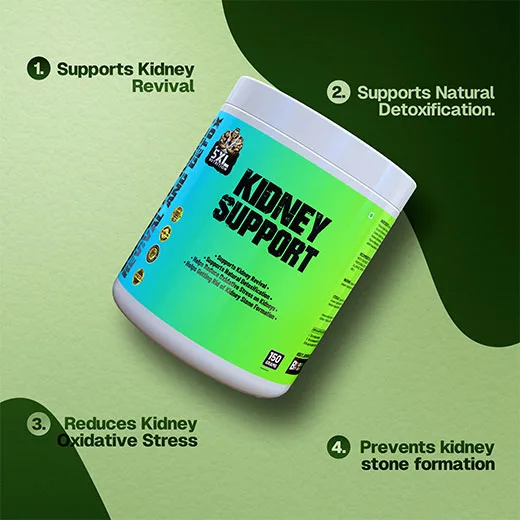
The 5XL Kidney Support formula is built on three scientifically distinct pillars:
Ayurvedic nephroprotective herbs (Punarnava, Varuna, Dandelion, Nettle, Astragalus, Tribulus, Fennel, Neem, Tulsi, Triphala, Rosemary): Traditional kidney and urinary tract support backed by varying levels of modern pharmacological and clinical evidence.
Clinical antioxidant defence (NAC, CoQ10 at 88%, Curcumin at 95%, Quercetin, Piperine at 95%): High-standardisation compounds targeting the oxidative stress pathway – the primary mechanism of kidney cellular damage from high-protein diets, training load, creatine use, and environmental toxin exposure.
Urinary tract, electrolyte, and micronutrient support (D-Mannose, Cranberry Extract, Taurine, Magnesium Aspartate, Vitamin B6, Vitamin B12, Himalayan Pink Salt): Functional compounds addressing urinary tract health, electrolyte balance, and the micronutrient gaps common in high-training or plant-forward Indian diets.
What separates this from 95% of kidney supplements sold in India: full dose disclosure across all 23 ingredients, dual-standardisation antioxidants (CoQ10 at 88%, Curcumin at 95%, Piperine at 95%), and a formula designed for people putting extra metabolic load on their kidneys through training, high protein intake, and creatine use – not just for general kidney “wellness.”
Pillar 1: Ayurvedic Nephroprotective Herbs
1. Punarnava Extract (Boerhavia diffusa) – 150mg
What it is: Punarnava – meaning “one that renews” in Sanskrit is a herb native to India and one of the most extensively researched Ayurvedic plants in modern nephrology literature. The active compound of primary interest is punarnavine, an alkaloid with documented diuretic, anti-inflammatory, and immunomodulatory properties.
What the research shows: A 2023 review in the Journal of Ayurveda and Integrated Medical Sciences on Punarnava-based formulations for Chronic Kidney Disease found that clinical studies suggest Punarnava may improve renal function by decreasing serum creatinine and blood urea levels. critical indicators of kidney health and may enhance glomerular filtration rate (GFR). A peer-reviewed review published in the Journal of Population Therapeutics and Clinical Pharmacology (2026) confirmed experimental evidence for its diuretic, anti-inflammatory, antioxidant, hepatoprotective, and nephroprotective activities, noting it has “attracted increasing scientific interest” beyond its traditional applications.
A 2023 systematic review of Boerhavia diffusa published in Rasayan Journal of Pharmaceutical Technology confirmed its nephroprotective effect in in vitro, in vivo, and clinical studies – with demonstrated protection across acute kidney injury, CKD, urinary tract infection, and renal calculi models. A 2024 in silico study in Toxicology International evaluated bioactive compounds from Punarnava against key CKD receptor targets (Renin, ACE II, CA II) and found significantly higher binding affinity than standard drug molecules for key nephroprotective pathways.
Evidence grade: Moderate – strong in vitro and animal data, growing human clinical evidence for GFR improvement and serum creatinine reduction. Consistent across multiple research groups.
Why it’s in this formula: Punarnava is the cornerstone Ayurvedic kidney herb – the one with the longest traditional history and deepest modern research backing of any herb in the Indian nephroprotective tradition. At 150mg of extract, it provides meaningful herbal support within a 23-ingredient formula.
2. Varuna Bark (Crataeva nurvala) – 200mg
What it is: Varuna is a tree used extensively in Ayurveda for urinary disorders. Its bark is the active part – containing lupeol, a triterpenoid shown in pharmacological studies to influence smooth muscle tone and urinary tract health.
What the research shows: Varuna bark extract has been studied for its role in managing urinary calculi (kidney stones) – its lupeol content inhibits the enzyme glycolate oxidase, which is involved in oxalate production, and may reduce stone-forming conditions. Clinical Ayurvedic studies on Crataeva nurvala in urinary tract conditions show improvements in urinary flow and reduction in stone formation markers.
Evidence grade: Moderate for urinary tract and stone prevention applications. Limited large-scale RCTs in Western literature, but consistent traditional use and pharmacological mechanism well-established.
Why it’s in this formula: Particularly relevant for Indian adults with dietary patterns high in oxalate-containing foods (spinach, tomato, nuts) and limited water intake – risk factors for kidney stone formation that are common in the Indian context.
3. Dandelion Root Extract (Taraxacum officinalis) – 140mg
What it is: Dandelion root is one of the most widely studied natural diuretics. Its active compounds include taraxacin, taraxacerin, and inulin (a prebiotic fibre).
What the research shows: A study published in the Journal of Alternative and Complementary Medicine found that dandelion root extract significantly increased urinary frequency and volume – confirming its diuretic action without the electrolyte loss associated with pharmaceutical diuretics. Its mechanism is gentle – supporting kidney fluid filtration rather than forcing it pharmacologically.
Evidence grade: Moderate – well-evidenced for mild diuretic action. Limited formal kidney disease trials.
Why it’s in this formula: For gym-goers on high-protein and creatine-containing stacks, mild diuretic support helps maintain fluid clearance as the kidneys process elevated nitrogen loads. Dandelion also provides antioxidant polyphenols relevant to cellular protection.
4. Nettle Root Extract (Urtica dioica) – 200mg
What it is: Stinging nettle root contains compounds including lectins, polysaccharides, and plant sterols that have been studied for urinary tract health, anti-inflammatory action, and benign prostatic hyperplasia support.
What the research shows: Research confirms nettle root’s diuretic properties and its role in supporting urinary flow. A review in Phytotherapy Research documented anti-inflammatory effects via inhibition of NFκB pathways – relevant for the inflammatory component of urinary tract conditions.
Evidence grade: Moderate – consistent evidence for mild diuresis and anti-inflammatory action.
Why it’s in this formula: Adds complementary diuretic and anti-inflammatory support alongside Dandelion and Punarnava – each via slightly different mechanisms, making the herbal diuretic complex additive rather than redundant.
5. Astragalus Root Extract – 500mg (Highest herbal dose in the formula)
What it is: Astragalus membranaceus (Huang Qi) is one of the most studied herbs in both Traditional Chinese Medicine and modern nephrology research. At 500mg, it is the largest single herbal dose in the 5XL Kidney Support formula – a deliberate formulation decision reflecting its evidence base.
What the research shows: Astragalus has one of the most developed research bodies of any herb in kidney protection. Studies have demonstrated its ability to reduce proteinuria (protein leakage in urine, a marker of kidney damage), improve eGFR, and reduce fibrosis in kidney tissue models. Multiple clinical trials in Chinese research have examined Astragalus-based formulas in diabetic nephropathy and CKD with positive outcomes.
Astragalus contains astragalosides – compounds that activate telomerase and have been associated with both anti-aging cellular effects and kidney tissue protection. Its anti-inflammatory and antioxidant properties complement the NAC/CoQ10/Curcumin antioxidant layer in this formula.
Evidence grade: Moderate-to-strong – more clinical trial data than most Ayurvedic herbs, particularly for diabetic nephropathy and CKD-adjacent applications.
Why it’s in this formula at the highest herbal dose: The 500mg allocation reflects Astragalus’s evidence of strength relative to other herbs in the formula. For Indian adults with elevated diabetes and hypertension prevalence – both leading causes of kidney disease – Astragalus’s specific evidence in metabolically-driven kidney stress is particularly relevant.
6. Tribulus Extract – 300mg
What it is: Tribulus terrestris is well-known in the fitness supplement industry as a vitality herb, but its original Ayurvedic application as Gokshura is specifically for urinary tract and kidney support.
What the research shows: Beyond its known effects on testosterone and vitality, Tribulus has demonstrated diuretic properties, oxalate crystal inhibition (relevant to kidney stone prevention), and anti-inflammatory urinary tract effects. The 2024 in silico study in Toxicology International that evaluated Punarnava also evaluated Tribulus – finding that bioactive compounds from both herbs showed significantly higher binding affinity to key CKD-related receptors (CA II, Renin, EGLN1, ACE II, V2R) than standard drugs, supporting their combined nephroprotective potential.
Evidence grade: Moderate – consistent traditional application with growing pharmacological mechanistic data. The Punarnava + Tribulus combination has specific research in nephroprotection contexts.
Why it’s in this formula: The Punarnava + Tribulus pairing is one of the most studied herbal combinations in the Ayurvedic nephroprotective tradition – a combination with more evidence than either ingredient alone, reflected in this formula’s inclusion of both.
7. Fennel Seed Extract (Foeniculum vulgare) – 200mg
What it is: Fennel seeds are a staple of Indian cooking – widely consumed post-meal for digestive support. Its active compounds include trans-anethole (the primary active), fenchone, and estragole.
What the research shows: Fennel has demonstrated mild diuretic and antispasmodic properties relevant to urinary tract comfort. Its antioxidant polyphenol content adds to the overall oxidative stress defence layer. For the urinary tract specifically, fennel’s antispasmodic effect can reduce urinary urgency and discomfort.
Evidence grade: Moderate – strong traditional use; pharmacological mechanisms well-established; limited formal kidney function RCTs.
Why it’s in this formula: Fennel adds digestive and urinary comfort support alongside the primary nephroprotective herbs – an important practical dimension for a supplement taken daily as a powder (5g scoop).
8. Neem Extract – 100mg
What it is: Neem (Azadirachta indica) is one of India’s most pharmacologically active medicinal trees. Every part of the tree has been used in traditional medicine; the extract standardised for supplements is typically from the leaf or bark.
What the research shows: Neem’s antimicrobial properties – active against E. coli, the primary cause of urinary tract infections are well-established in pharmacological literature. Its anti-inflammatory and antioxidant properties add to the formula’s oxidative stress defence layer.
Evidence grade: Moderate for antimicrobial action; limited formal UTI prevention RCT data.
Why it’s in this formula: Neem contributes antimicrobial support to the urinary environment – complementing the D-Mannose and Cranberry Extract in the formula’s UTI-specific layer.
9. Tulsi Extract (Holy Basil) – 100mg
What it is: Tulsi (Ocimum sanctum) is an adaptogenic herb sacred in Indian tradition and increasingly studied for its pharmacological properties – primarily antioxidant, anti-inflammatory, and immune-modulating.
What the research shows: Tulsi is an adaptogen – it modulates the body’s response to stress, both physical and oxidative. Studies have confirmed its antioxidant activity (through eugenol, rosmarinic acid, and other compounds) and its ability to reduce oxidative markers in stress conditions. For kidney health specifically, the reduction in oxidative stress it provides complements the primary antioxidant layer (NAC, CoQ10, Curcumin).
Evidence grade: Moderate – strong antioxidant and adaptogenic evidence; kidney-specific evidence is indirect via oxidative stress reduction.
Why it’s in this formula: For gym-goers and high-protein consumers, training-induced oxidative stress is a chronic daily exposure. Tulsi’s adaptogenic antioxidant action provides systemic oxidative stress buffering.
10. Triphala Extract – 200mg
What it is: Triphala is the most famous Ayurvedic formula – a combination of three fruits: Haritaki (Terminalia chebula), Bibhitaki (Terminalia bellirica), and Amalaki (Phyllanthus emblica, Indian Gooseberry). Amalaki is one of the highest natural sources of Vitamin C.
What the research shows: Triphala has documented antioxidant, anti-inflammatory, and detoxification-supporting properties. Research has shown improvements in oxidative stress markers, lipid profiles, and immune function. For kidney health specifically, Triphala’s antioxidant content (particularly from Amalaki) contributes to cellular protection, and its traditional Ayurvedic application for detoxification aligns with kidney and liver support.
Evidence grade: Moderate – robust evidence for antioxidant and anti-inflammatory action; kidney-specific evidence via oxidative stress mechanisms.
Why it’s in this formula: Triphala provides the classical Ayurvedic detoxification and antioxidant foundation – complementing the clinical antioxidants (NAC, CoQ10) with a food-source antioxidant layer.
11. Rosemary Extract – 100mg
What it is: Rosemary (Salvia rosmarinus) is a culinary herb with significant antioxidant and anti-inflammatory pharmacological activity – primarily from rosmarinic acid, carnosic acid, and ursolic acid.
What the research shows: Rosemary extract has demonstrated renal protective effects in animal models exposed to nephrotoxic substances – attenuating oxidative damage to kidney tubular cells. Its antioxidant compounds inhibit lipid peroxidation and inflammatory cytokine production relevant to kidney tissue health.
Evidence grade: Moderate – strong in vitro and animal nephroprotective data; limited human kidney-specific trials.
Why it’s in this formula: Rosemary’s antioxidant compounds, specifically rosmarinic acid – add a distinct polyphenol chemistry to the formula’s antioxidant layer, complementing Curcumin and Quercetin rather than duplicating them.
Pillar 2: Clinical Antioxidant Defence
This is where the 5XL Kidney Support formula most significantly differentiates from purely Ayurvedic kidney supplements. The inclusion of NAC, CoQ10 (88% standardised), Curcumin (95% standardised), Quercetin, and Piperine (95%) at these standardisation levels is not common in Indian kidney supplements at any price point.
12. N-Acetyl Cysteine (NAC) – 500mg (Highest single-ingredient dose in the formula)
What it is: NAC is a pharmaceutical-grade antioxidant compound and precursor to glutathione – the body’s most important endogenous antioxidant. It is FDA-approved as a treatment for acetaminophen (paracetamol) overdose – specifically because of its kidney and liver protective properties in acute toxic load scenarios.
What the research shows: A comprehensive 2024 review of NAC in kidney disease published in Kidney International Reports (the official journal of the International Society of Nephrology) examined NAC’s molecular mechanisms, pharmacokinetics, and clinical effectiveness across multiple kidney disease contexts. NAC has demonstrated kidney-protective effects against:
- Drug-induced nephrotoxicity (contrast agents, cisplatin, vancomycin)
- Exercise and training-induced oxidative stress
- Inflammatory kidney conditions
- Acute kidney injury from environmental toxin exposure
A study published in PMC demonstrated that NAC protects against vancomycin-induced nephrotoxicity by restoring glutathione stores and scavenging reactive oxygen species. Research from PMC also showed NAC’s protective effects against BPA-induced kidney and liver toxicity via mitochondrial protection and SIRT3 pathway activation.
For gym-goers specifically: high-protein diets generate elevated nitrogen compounds (urea, ammonia) that create metabolic load on the kidney’s filtration capacity. Creatine supplementation increases creatinine production (a waste product requiring kidney filtration). NAC’s glutathione-precursor role directly supports the antioxidant defence capacity required for this elevated filtration demand.
Evidence grade: Strong – pharmaceutical-grade evidence base; multiple human RCTs in nephrotoxicity prevention; well-understood glutathione-precursor mechanism.
Why 500mg is meaningful: At 500mg, NAC is at the lower end of the doses used in clinical kidney protection studies (which typically use 600-1,200mg). For a daily maintenance supplement in a healthy adult population rather than a clinical disease context, 500mg provides meaningful daily glutathione precursor support without the high doses used in acute clinical scenarios.
13. CoQ10 (88% standardisation) – 50mg
What it is: Coenzyme Q10 is a fat-soluble cellular antioxidant present in every cell’s mitochondria, where it plays an essential role in the electron transport chain for ATP (energy) production. The 88% standardisation means 88% of the 50mg is active CoQ10 – approximately 44mg of actual active compound. This is among the highest CoQ10 standardisation levels in any Indian supplement formulation.
What the research shows: CoQ10 depletion is documented in kidney disease as kidney function declines, CoQ10 levels fall, creating a cycle of worsening oxidative stress and mitochondrial dysfunction. Research has shown that CoQ10 supplementation improves mitochondrial function, reduces oxidative markers, and may improve kidney function markers in CKD patients.
A GoodRx review of kidney health supplements specifically notes CoQ10 as an antioxidant that helps prevent cell damage, with research suggesting it may improve kidney function in people with diabetes-related kidney disease. Their assessment: “much of the research comes from animal studies and small human trials, so it’s too soon to know how helpful CoQ10 really is for kidney health” an honest appraisal that applies to many of the ingredients in this category.
Evidence grade: Moderate strong mechanistic evidence; growing clinical trial data, particularly in diabetic nephropathy; honest uncertainty remains about optimal dose and long-term effects.
Why 88% standardisation matters: Most CoQ10 supplements use 30-50% standardised extracts. The 88% standardisation in this formula means you are getting substantially more active CoQ10 per milligram than standard CoQ10 supplements – ensuring clinically relevant delivery within a 50mg inclusion in a complex formula.
14. Curcumin (Turmeric Extract, 95% standardisation) – 200mg
What it is: Curcumin is the primary bioactive compound in turmeric (Curcuma longa). The 95% standardisation means this is a concentrated curcumin extract – 190mg of actual curcumin in each scoop – not the standard 3-5% curcumin content of raw turmeric powder.
What the research shows: Curcumin is one of the most extensively researched anti-inflammatory compounds in natural medicine. Its NF-κB inhibition pathway – blocking the master inflammatory signalling molecule is well-established. For kidney health specifically, research has demonstrated:
- Anti-inflammatory effects in kidney tissue reducing fibrosis markers
- Reduction of oxidative stress in nephron cells
- Protective effects against contrast-induced, cisplatin-induced, and high-protein-induced kidney stress in animal models
- Emerging clinical evidence for improvements in proteinuria and kidney function markers in CKD patients
The bioavailability problem – solved by Piperine: Curcumin’s major limitation is its poor oral bioavailability – it is rapidly metabolised in the gut and liver. This is precisely why the formula includes Piperine at 95% standardisation (see ingredient 18). Research has shown that piperine increases curcumin bioavailability by up to 2,000% by inhibiting intestinal glucuronidation. The Curcumin + Piperine pairing is one of the most studied bioavailability enhancement combinations in supplement science.
Evidence grade: Strong for anti-inflammatory mechanism; moderate for kidney-specific human clinical outcomes.
15. Quercetin – 50mg
What it is: Quercetin is a flavonoid antioxidant found naturally in onions, apples, and green tea. It operates as a potent free radical scavenger and has documented anti-inflammatory, antiviral, and anti-allergic properties.
What the research shows: Quercetin has demonstrated synergy with both Curcumin and NAC in antioxidant research – the three compounds together produce greater oxidative stress reduction than any individually. For kidney protection, Quercetin has shown nephroprotective effects in animal models of toxin-induced kidney injury – attenuating lipid peroxidation and restoring antioxidant enzyme activity.
Evidence grade: Moderate – strong mechanistic synergy with Curcumin and NAC; kidney-specific human RCTs limited.
Why it’s in this formula alongside Curcumin and NAC: Quercetin, Curcumin, and NAC target the same oxidative stress pathway through different molecular mechanisms – NAC via glutathione precursor restoration, Curcumin via NF-κB inhibition, Quercetin via direct free radical scavenging and antioxidant enzyme activation. Their combination is additive rather than redundant.
16. Piperine (Piper nigrum, 95% standardisation) – 5mg
What it is: Piperine is the active compound in black pepper, present here at 95% standardisation. At 5mg, it is the smallest dose in the formula – but functionally critical.
What the research shows: Piperine inhibits CYP3A4 and P-glycoprotein in the intestinal wall – the primary enzymes responsible for first-pass metabolism of curcumin and many other polyphenols. Research has documented up to a 2,000% increase in curcumin bioavailability when paired with piperine. It also enhances absorption of other formula components.
Why 5mg is the correct dose: 5mg is the exact dose used in the landmark curcumin-piperine bioavailability study and replicated across subsequent research. More is not better here – the absorption enhancement reaches its ceiling at this dose.
Pillar 3: Urinary Tract, Electrolyte, and Micronutrient Support
17. D-Mannose – 200mg
What it is: D-Mannose is a naturally occurring simple sugar that is excreted largely unchanged in the urine. It has been studied for its ability to prevent certain bacteria – primarily E. coli – from adhering to the urinary tract lining by providing a competitive binding site.
What the 2024 research shows – an honest disclosure: A landmark randomised controlled trial published in JAMA Internal Medicine in 2024 (Hayward et al., 598 women, double-blind placebo-controlled) found that daily D-Mannose (2g/day) over 6 months did not produce a statistically significant reduction in medically attended UTI episodes compared to placebo – 51.0% vs 55.7%, a 4.7 percentage point difference that did not reach significance (95% CI -13% to 3%). A 2024 systematic review and meta-analysis of 6 RCTs (1,167 participants) reached similar conclusions: D-Mannose was not significantly associated with reduced UTI recurrence compared to control.
The honest conclusion: The 2024 research does not support D-Mannose as a standalone UTI prevention intervention. The mechanism – competitive binding preventing bacterial adhesion is biologically plausible, but this has not translated to significant clinical prevention in large RCTs.
Why it’s still included: At 200mg (versus the 2g doses in the prevention trials), D-Mannose in this formula is included for urinary environment support rather than as a standalone UTI prevention claim. When combined with Cranberry Extract, Neem’s antimicrobial properties, and the formula’s anti-inflammatory herbal layer, it contributes to urinary tract wellness as part of a multi-mechanism approach – not as an isolated UTI drug.
Evidence grade: Mechanism plausible; clinical evidence for standalone UTI prevention not supported by 2024 JAMA data. Included in the context of multi-ingredient urinary support, not as primary UTI intervention.
18. Cranberry Extract – 200mg
What it is: Cranberry is one of the most popular urinary tract health ingredients globally. Its active A-type proanthocyanidins (PACs) are the compounds studied for anti-adhesion effects on E. coli in the urinary tract.
What the research shows: Evidence for cranberry extract in UTI prevention is mixed. Some meta-analyses show modest benefit for recurrent UTIs in women; others show no significant effect. The anti-adhesion mechanism is plausible – PACs prevent E. coli fimbriae from binding to uroepithelial cells – but the clinical translation is inconsistent. Cranberry’s value in this formula is as a complementary urinary tract wellness ingredient contributing antioxidant polyphenols alongside D-Mannose.
Evidence grade: Mixed – plausible mechanism; inconsistent RCT evidence for standalone UTI prevention; antioxidant contribution is well-established.
19. Taurine – 400mg
What it is: Taurine is a conditionally essential amino acid – the most abundant free amino acid in the heart and kidneys. It plays critical roles in electrolyte balance, bile salt formation, and cellular membrane stabilisation.
What the research shows: For kidney health specifically, taurine has demonstrated protective effects against nephrotoxicity in animal models – reducing oxidative damage to tubular cells. Its role in fluid and electrolyte balance is particularly relevant for gym-goers consuming high sodium loads (from food and pre-workout electrolyte products) and using creatine, which draws water into muscle cells and increases the kidney’s role in managing osmolality.
For the gym-goer context: Taurine at 400mg addresses the specific demands of kidney function in a high-training load context – supporting the kidneys’ role in managing fluid balance, electrolytes, and nitrogen clearance under the elevated metabolic demands of regular training.
Evidence grade: Strong for osmoregulatory mechanism; moderate for kidney protection; well-established safety at standard doses.
20. Magnesium Aspartate – 100mg
What it is: Magnesium in the highly bioavailable aspartate form – one of the better-absorbed oral magnesium forms compared to magnesium oxide.
What the research shows: Magnesium plays a direct role in kidney stone prevention – specifically calcium oxalate stone formation. Adequate magnesium levels inhibit calcium oxalate crystallisation in the urinary collecting system. Research from Ethical Nutrition and the broader nephrology literature confirms magnesium’s role in reducing kidney stone risk by regulating calcium levels.
Evidence grade: Strong for kidney stone prevention; well-established for electrolyte regulation.
Why Aspartate specifically: Magnesium oxide (the cheapest form) has poor bioavailability (4%). Magnesium aspartate absorbs significantly better – a formulation quality decision that reflects the brand’s commitment to active compound delivery rather than label presence.
21. Vitamin B6 – 1,000mcg (42% RDA)
What it is: Vitamin B6 (pyridoxine) is essential for amino acid metabolism – the metabolic process most relevant to high-protein supplement users.
What the research shows: Vitamin B6 deficiency impairs oxalate metabolism, increasing urinary oxalate levels and kidney stone risk. Adequate B6 reduces the endogenous production of oxalate – a direct kidney stone prevention mechanism. GoodRx’s review of kidney supplements specifically identifies B vitamins (B6 and B12) as micronutrients with specific relevance to kidney health, noting that kidney disease impairs their metabolism.
Why it matters for gym-goers: High protein intake increases amino acid metabolism demands – and therefore B6 demands. Gym-goers consuming 150-200g of protein daily are more likely to have marginal B6 status than sedentary adults.
22. Vitamin B12 – 1mcg (45% RDA)
What it is: Vitamin B12 (cobalamin) supports energy metabolism and red blood cell production – both of which are relevant in kidney health contexts where anaemia is a common complication of reduced kidney function.
Why it matters for Indian vegetarians: B12 is found almost exclusively in animal products. Indian vegetarians – a significant proportion of the supplement’s likely user base – have a documented high prevalence of B12 deficiency. The GoodRx kidney supplement review notes that B12 is important for kidney health, with kidney function impairment affecting B12 metabolism.
23. Himalayan Pink Salt – 50mg (2.5% RDA sodium)
What it is: A trace mineral electrolyte source providing sodium alongside 84+ trace minerals in natural proportions.
Why it’s in a kidney supplement: The kidneys regulate sodium – and their function is directly linked to sodium balance. Excessive sodium taxes kidney filtration capacity; insufficient sodium impairs it. Himalayan Pink Salt at 50mg provides a trace electrolyte contribution that supports the formula’s electrolyte balance layer without contributing meaningfully to total dietary sodium intake (50mg of salt vs. the 2,000-5,000mg many Indians consume daily in food).
How the 23 Ingredients Work Together: The Three-Pillar Synergy
The 5XL Kidney Support formula’s design principle is non-redundant multi-mechanism coverage – each ingredient targets a different physiological pathway rather than stacking multiple herbs with similar mechanisms.
The Oxidative Stress Defence Network
The kidneys are the body’s filtration system – they process everything that enters the bloodstream, including oxidative by-products from high-protein metabolism, creatine processing, training-induced inflammation, and environmental pollutants. Oxidative stress is the primary cellular damage mechanism in kidney injury of all types.
The formula addresses oxidative stress through five independent mechanisms operating simultaneously:
- NAC (500mg): Glutathione precursor – restores the body’s master antioxidant
- CoQ10 (88%, 50mg): Mitochondrial antioxidant – protects energy production in kidney cells
- Curcumin (95%, 200mg): NF-κB inhibitor – blocks the inflammatory pathway at its signalling origin
- Quercetin (50mg): Free radical scavenger – direct oxidative neutralisation, synergistic with Curcumin and NAC
- Piperine (95%, 5mg): Bioavailability amplifier – ensures Curcumin reaches systemic circulation in functional amounts
The Fluid Balance and Urinary Flow Network
- Punarnava (150mg): Diuretic via punarnavine; GFR support
- Dandelion Root (140mg): Mild diuretic supporting kidney fluid clearance
- Nettle Root (200mg): Anti-inflammatory diuretic
- Fennel (200mg): Antispasmodic, mild diuretic
- Taurine (400mg): Osmoregulatory amino acid, electrolyte balance
- Magnesium Aspartate (100mg): Stone prevention via calcium regulation
- Himalayan Pink Salt (50mg): Trace electrolyte balance
The Urinary Tract Wellness Network
- D-Mannose (200mg): Anti-adhesion support for urinary tract bacteria
- Cranberry Extract (200mg): PAC antioxidants for urinary environment
- Neem (100mg): Antimicrobial support against E. coli and UTI pathogens
- Varuna (200mg): Stone prevention and urinary flow
- Tribulus (300mg): Urinary tract support, combined nephroprotective evidence with Punarnava
Why This Formula Is Specifically Relevant for Indian Adults
India has a kidney health context that makes a formula like this more not less – relevant than in Western markets.
India has one of the highest rates of chronic kidney disease globally. An estimated 17% of Indian adults have some form of CKD – driven by the country’s high prevalence of diabetes (the leading cause of CKD worldwide) and hypertension, both significantly above global averages. Proactive kidney support for high-risk populations is a healthcare priority, not a wellness luxury.
Indian gym-goers put specific metabolic load on their kidneys. High-protein diets (150-200g/day), creatine supplementation (producing additional creatinine), pre-workout stimulant use, and high-intensity training all increase the kidney’s daily filtration and metabolic processing demands. This population has demonstrably higher kidney metabolic load than sedentary adults making a formula specifically designed for this context meaningful.
Indian vegetarians have documented micronutrient gaps. The B12 and Magnesium inclusions in this formula address gaps that are measurably more prevalent in India’s largely vegetarian diet population than in omnivore markets.
The Ayurvedic herbal layer is rooted in India’s traditional wellness heritage. Punarnava, Varuna, Tulsi, Triphala, and Neem are long-established ingredients in India’s pharmacological and cultural healthcare traditions. By combining these time-honored herbs with clinical-grade antioxidants, this kidney support formula is developed specifically for the Indian context rather than adapted from a Western formulation.
The Complete Ingredient Reference Table
| Ingredient | Dose | Pillar | Primary Mechanism | Evidence Grade |
| Astragalus Root Extract | 500mg | Ayurvedic | Kidney protection, anti-inflammatory, immune support | Moderate-Strong |
| NAC | 500mg | Clinical Antioxidant | Glutathione precursor, oxidative stress defence | Strong |
| Tribulus Extract | 300mg | Ayurvedic | Urinary tract support, nephroprotective (with Punarnava) | Moderate |
| Taurine | 400mg | Electrolyte/Amino | Osmoregulation, kidney cellular protection | Moderate-Strong |
| Curcumin (95%) | 200mg | Clinical Antioxidant | NF-κB inhibition, anti-inflammatory | Strong |
| Varuna Bark | 200mg | Ayurvedic | Stone prevention, urinary flow | Moderate |
| Nettle Root Extract | 200mg | Ayurvedic | Anti-inflammatory diuretic | Moderate |
| Fennel Seed Extract | 200mg | Ayurvedic | Mild diuretic, antispasmodic | Moderate |
| Triphala Extract | 200mg | Ayurvedic | Antioxidant, detoxification support | Moderate |
| D-Mannose | 200mg | Urinary Tract | Anti-adhesion UTI support | Mechanism plausible; RCT evidence mixed |
| Cranberry Extract | 200mg | Urinary Tract | PAC antioxidants, anti-adhesion | Mixed |
| Punarnava Extract | 150mg | Ayurvedic | Diuretic, nephroprotective, GFR support | Moderate |
| Dandelion Root | 140mg | Ayurvedic | Mild diuretic, antioxidant | Moderate |
| Magnesium Aspartate | 100mg | Electrolyte | Kidney stone prevention, electrolyte | Strong |
| Neem Extract | 100mg | Ayurvedic | Antimicrobial, urinary tract | Moderate |
| Tulsi Extract | 100mg | Ayurvedic | Adaptogen, antioxidant | Moderate |
| Rosemary Extract | 100mg | Ayurvedic | Antioxidant, cellular protection | Moderate |
| CoQ10 (88%) | 50mg | Clinical Antioxidant | Mitochondrial antioxidant, energy | Moderate |
| Quercetin | 50mg | Clinical Antioxidant | Free radical scavenger, synergistic | Moderate |
| Himalayan Pink Salt | 50mg | Electrolyte | Trace minerals, electrolyte balance | Traditional/Functional |
| Piperine (95%) | 5mg | Bioavailability | Curcumin absorption amplifier (+2,000%) | Strong |
| Vitamin B6 | 1,000mcg | Micronutrient | Oxalate metabolism, stone prevention | Strong |
| Vitamin B12 | 1mcg | Micronutrient | Energy metabolism, anemia prevention | Strong |
Frequently Asked Questions
Q: What are the key ingredients in The 5XL Kidney Support?
The 5XL Kidney Support contains 23 disclosed active ingredients across three functional pillars. The highest-dose ingredients are NAC (500mg), Astragalus Root Extract (500mg), Taurine (400mg), and Tribulus Extract (300mg). The clinical antioxidant layer – NAC (500mg), CoQ10 at 88% standardisation (50mg), Curcumin at 95% standardisation (200mg), Quercetin (50mg), and Piperine at 95% standardisation (5mg) – is what most distinguishes it from purely Ayurvedic kidney supplements on the Indian market. Every ingredient and every dose is disclosed on the label.
Q: Does Punarnava actually work for kidney health?
Punarnava (Boerhavia diffusa) is one of the most extensively studied Ayurvedic herbs in modern nephrology. Peer-reviewed research including a 2023 systematic review confirms its nephroprotective effects in in vitro, in vivo, and clinical studies – with documented diuretic, anti-inflammatory, and antioxidant properties. Clinical studies suggest it may improve GFR and reduce serum creatinine and blood urea levels. A 2024 in silico study demonstrated significant binding affinity of Punarnava bioactive compounds to key CKD-related receptors. Human clinical evidence is growing but not yet at the level of pharmaceutical agents.
Q: Why is NAC included in a kidney supplement?
NAC (N-Acetyl Cysteine) is a precursor to glutathione – the body’s master antioxidant – and is extensively researched for kidney protection. A 2024 review in Kidney International Reports comprehensively covers NAC’s molecular mechanisms and clinical effectiveness in kidney disease contexts. For gym-goers, NAC addresses the oxidative stress created by high-protein metabolism, creatine processing, and training-induced kidney load. The 500mg dose in this formula provides daily glutathione precursor support in a maintenance supplement context.
Q: Does D-Mannose prevent UTIs?
The 2024 JAMA Internal Medicine RCT (598 women, double-blind placebo-controlled) found that daily D-Mannose at 2g/day did not significantly reduce recurrent UTI episodes versus placebo. A 2024 meta-analysis of 6 RCTs reached similar conclusions. At the 200mg dose in this formula, D-Mannose is included as part of a multi-ingredient urinary tract wellness approach – not as a standalone UTI prevention claim. The formula’s UTI-relevant ingredients (D-Mannose, Cranberry Extract, Neem’s antimicrobial action, anti-inflammatory herbs) are designed to work together for urinary tract health support rather than as isolated prevention agents.
Q: Is the CoQ10 in this formula high quality?
CoQ10 at 88% standardisation means 88% of the 50mg inclusion is active CoQ10 – approximately 44mg of actual active compound per serving. Most CoQ10 supplements use 30–50% standardised extracts. The 88% standardisation ensures clinically meaningful active compound delivery within the constraints of a complex 23-ingredient formula. CoQ10 depletion is documented in kidney disease, and supplementation has shown improvements in mitochondrial function and oxidative markers in kidney disease research.
Q: Is 5XL Kidney Support safe to take with creatine?
For healthy adults without pre-existing kidney conditions, creatine monohydrate is safe and well-researched. Creatine increases creatinine production (a normal metabolic byproduct) – which temporarily elevates serum creatinine as a lab marker, but this does not indicate kidney damage in healthy users. 5XL Kidney Support is specifically designed with gym-goers and creatine users in mind – the NAC, CoQ10, Curcumin, and herbal antioxidant layer addresses the oxidative and metabolic load that high-protein diets and supplements use place on kidney function. Consult a healthcare professional if you have any pre-existing kidney condition.
Q: How is this different from other kidney supplements in India?
Most kidney supplements in India use 3-6 herbs in undisclosed “proprietary blend” doses. 5XL Kidney Support discloses all 23 ingredients with exact per-scoop milligram amounts – making every claim verifiable. Its clinical antioxidant layer (NAC, CoQ10 at 88%, Curcumin at 95%, Quercetin) is not found in standard Ayurvedic kidney products. The formula is specifically designed for people with elevated kidney metabolic load from training, high protein intake, and creatine use in a population unaddressed by general-wellness kidney supplements. Product authenticity can be verified at the5xlnutrition.com/verify-product
Final Verdict – 5XL Kidney Support Ingredient Analysis
The 5XL Kidney Support formula represents a genuinely different formulation philosophy from standard Indian kidney supplements in three ways:
Full disclosure: 23 ingredients, every dose disclosed. This is the foundational requirement for any evidence-based evaluation – and it is what this page is built on.
Dual-layer architecture: The Ayurvedic herbal tradition (Punarnava, Varuna, Astragalus, Tribulus) and clinical antioxidant science (NAC, CoQ10, Curcumin, Quercetin) are both present at meaningful doses – neither layer is tokenistic. This hybrid approach is rare in the Indian supplement market.
Designed for the right population: Gym-goers, high-protein consumers, creatine users, and Indian adults with elevated CKD risk from metabolic factors – this is not a general “wellness” product. Every formulation decision – NAC at 500mg for glutathione support, CoQ10 at 88% standardisation for mitochondrial protection, Piperine at 95% to make Curcumin bioavailable – reflects a formula designed for people putting real metabolic demands on their kidneys daily.
The research behind these ingredients ranges from moderate to strong – and where the evidence is honest about its limitations (D-Mannose, Cranberry) this article has said so directly. That is the standard that product authority built on evidence, rather than marketing, requires.
Note- This article is for informational and educational purposes only. The 5XL Kidney Support is a dietary supplement, not a medicine, and is not intended to diagnose, treat, cure, or prevent any disease including kidney disease. People with existing kidney conditions, CKD, or any chronic illness should consult a qualified nephrologist or healthcare provider before taking any supplement. Do not use this supplement as a substitute for prescribed medications or medical treatment. All 5XL Nutrition products are FSSAI-compliant and manufactured for the Indian market.