Best Supplements for Fast Muscle Recovery – The Complete DOMS Science and Recovery Stack
You’re Still Sore on Day Three. Here’s Why – And What to Actually Do About It.
Tuesday was leg day. Thursday morning you couldn’t walk down the stairs properly. Your quads felt packed with concrete. Your glutes protested every time you sat down.
This is DOMS – Delayed Onset Muscle Soreness. And if it’s lasting three or four days, or severe enough to affect your movement and mood, your recovery is falling short of what your training demands.
Here’s the important part: excessive or prolonged DOMS is not a badge of honour. It’s a sign that your body’s repair process is struggling to keep pace with the stress you’re putting through it.
Serious athletes understand something most gym-goers don’t: recovery is not passive. It’s an active biological process and like training itself, it can be optimised with the right nutritional inputs at the right times.
What Is DOMS? – The Biology Behind the Burn
Most people think DOMS is caused by lactic acid. This is a myth thoroughly debunked by sports science. lactic acid clears the bloodstream within 30-60 minutes of exercise. DOMS peaks 24-72 hours later.
What actually causes it:
Mechanical disruption of muscle fibres. Eccentric contractions – the lowering phase of any lift – cause microscopic tears in myofibrillar proteins. This is especially pronounced with new exercises, unfamiliar movement patterns, or significantly increased training volume.
Inflammatory cascade activation. The immune system responds to mechanical damage by triggering inflammation. Neutrophils and macrophages flood the damaged area, releasing cytokines that clear cellular debris but those same cytokines activate pain receptors, producing the soreness sensation.
Fluid accumulation and pressure. Inflammation causes fluid to accumulate in damaged tissue, increasing pressure and contributing to the stiffness and tenderness of DOMS.
Protein degradation and rebuilding. Damaged muscle proteins must be broken down and cleared before new ones can be synthesised – a process requiring continuous amino acid availability throughout.
Satellite cell activation and muscle protein synthesis. Muscle satellite cells activate in response to damage and begin proliferating. Combined with adequate nutrition. particularly leucine triggered mTOR activation, this drives muscle protein synthesis, producing muscle that is stronger than before.
The goal of recovery supplementation is to moderate the inflammatory response (modulate, not eliminate – inflammation is necessary), ensure continuous amino acid availability during all repair phases, replenish energy stores for subsequent sessions, and support sleep quality, where the majority of actual muscle repair occurs.
The Complete Recovery Stack – Mapped by Phase
Phase 1 – Immediately Post-Workout: Protein and EAAs
Whey Protein (25-30g within 30-60 minutes of training) The post-exercise anabolic window is real. Muscle protein synthesis is maximally elevated in the 30-60 minutes following training, and leucine. the essential amino acid that triggers the mTOR signalling pathway – needs to reach peak blood concentration during this window. Quality whey protein delivers 2.5-3g of leucine per serving, the threshold required to maximally activate muscle protein synthesis. Fast absorption means blood leucine peaks within 60-90 minutes. This is the single most important recovery supplement – nothing replaces it.
Shop Whey Protein Concentrate | Shop Whey Protein Isolate
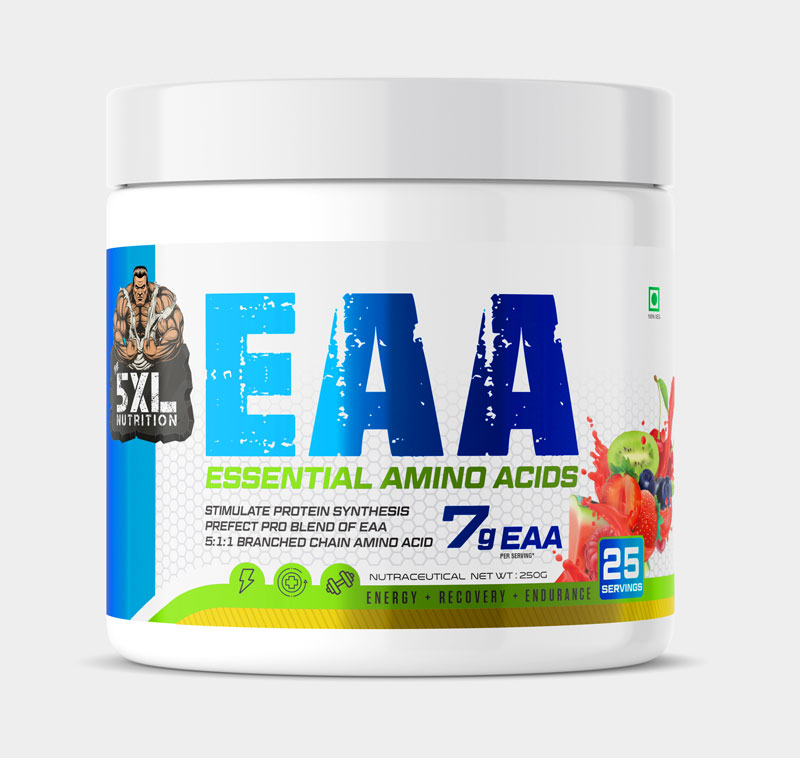
EAAs – Intra-Workout for Fasted or Long Sessions Essential Amino Acids taken during training provide a continuous amino acid supply to muscle tissue, reducing net protein catabolism during the session itself. You arrive at the post-workout window with less damage to repair, accelerating net recovery. Particularly valuable for fasted training or sessions exceeding 60-75 minutes.
Phase 2 – Energy Replenishment: Creatine

Creatine Monohydrate (3-5g daily) Creatine’s primary recovery benefit is phosphocreatine resynthesis – accelerating the restoration of ATP-generating capacity for the next training session. Secondary benefits include reduced training-induced inflammation markers and muscle cell volumisation that supports protein synthesis.
Creatine works by saturation, not acute supplementation. Daily dosing – including rest days – is more important than timing around training.
Phase 3 – Inflammation Modulation: Omega-3 and Curcumin
The inflammatory response post-training is necessary – the goal is not to eliminate it but to prevent it from becoming excessive or prolonged. Excessive inflammation delays the transition from the catabolic breakdown phase to the anabolic rebuilding phase.
Omega-3 Fatty Acids (EPA and DHA, 2-3g daily) EPA and DHA inhibit the production of pro-inflammatory eicosanoids produced in excess after intense training. Multiple clinical studies show omega-3 supplementation reduces DOMS severity and duration, improves range of motion after eccentric exercise, and reduces muscle damage markers. Daily supplementation, not just around training, maintains the systemic anti-inflammatory baseline that supports consistent recovery.
Curcumin (with BioPerine®) Curcumin inhibits NF-κB – the master transcription factor for inflammatory gene expression. At adequate bioavailable doses (requiring BioPerine® or a phospholipid complex for meaningful absorption), curcumin has been shown in clinical trials to reduce DOMS scores and inflammatory markers after intense exercise – without blunting the adaptive anabolic signalling that drives muscle growth.
Phase 4 – Immune and Gut Support: L-Glutamine
L-Glutamine (5-10g post-workout or before bed) This is the most underappreciated recovery supplement and the one most consistently absent from recovery guides.
Glutamine is the most abundant amino acid in muscle tissue and the primary fuel source for immune cells. Intense exercise dramatically depletes blood and muscle glutamine levels, suppressing immune function for 24-72 hours post-training – the “open window” of increased infection susceptibility familiar to endurance athletes.
Glutamine supplementation restores immune function after intense exercise, reduces gut permeability that increases with heavy training, supports glycogen resynthesis in muscle, and reduces overtraining markers when training volume is high. For athletes training 5+ days per week, L-glutamine is one of the highest-value recovery supplements available – and one of the most overlooked.
Phase 5 – Sleep Optimisation: Magnesium
Magnesium Glycinate (300-400mg before bed) This phase drives the majority of muscle repair – and it’s the one most consistently shortchanged by lifestyle.
Over 90% of growth hormone secretion – which directly drives muscle protein synthesis – occurs during deep sleep. Poor sleep doesn’t just make you tired. It physiologically impairs the repair process that converts training stress into muscle growth.
Magnesium deficiency is extremely common in active Indians, as magnesium is lost through sweat during training. Deficiency directly impairs sleep quality and reduces deep sleep duration. Magnesium supplementation before bed improves sleep onset and quality, reduces overnight cortisol, supports muscle relaxation, and is involved in over 300 enzymatic reactions including protein synthesis itself.
Taking magnesium before bed is one of the simplest, most evidence-backed recovery interventions available and one of the most consistently neglected.
Complete Recovery Stack – Timing Reference
| Time | Supplement | Dose | Purpose |
| During training | EAAs | 10-15g | Reduce catabolism during session |
| 0-30 min post-workout | Whey Protein | 25-30g | MPS trigger, repair initiation |
| With post-workout meal | Creatine | 3-5g | Energy replenishment, next-session prep |
| With meals (2x daily) | Omega-3 | 1-2g EPA+DHA per dose | Inflammation modulation, DOMS reduction |
| With meals (2x daily) | Curcumin | As directed | Anti-inflammatory recovery support |
| Before bed | L-Glutamine | 5-10g | Immune support, gut integrity, overnight recovery |
| Before bed | Magnesium glycinate | 300-400mg | Sleep quality, overnight protein synthesis |
Final Thought
The training session is the stimulus. Recovery is where the actual muscle growth happens.
Every hour of suboptimal recovery is an hour of gains left on the table. The complete recovery stack addresses every phase of the cascade – from post-workout MPS trigger through to overnight growth hormone-driven repair.
It’s not about taking the most supplements. It’s about providing the right nutritional input at the right time for each specific phase of a biological process your body is already running – and giving it what it needs to run that process optimally.
Train hard. Recover harder.
FAQs
Q1. What is the single best supplement for fast muscle recovery?
No single supplement covers every phase of the recovery cascade – which is why stacking matters. The most impactful combination is whey protein (post-workout MPS trigger), creatine (energy replenishment), omega-3 and curcumin (inflammation modulation), L-glutamine (immune and gut support), and magnesium (sleep quality and overnight repair). Together these address every biological phase from damage to growth.
Q2. How long does DOMS last and can supplements actually reduce it?
DOMS typically peaks at 24-72 hours and resolves within 3-5 days. Consistent supplementation with protein, omega-3, and curcumin measurably reduces both severity and duration over time. Severe DOMS lasting beyond 5 days suggests inadequate recovery support, excessive training volume, or both.
Q3. Does protein actually help with muscle soreness?
Yes. Leucine – abundant in whey protein – triggers muscle protein synthesis, accelerating the transition from the catabolic phase to the anabolic repair phase. Meeting daily protein targets of 1.6-2.0g per kg bodyweight consistently is the single most impactful recovery intervention available. Everything else builds on this foundation.
Q4. Is L-Glutamine worth taking for recovery?
Yes, particularly for athletes training 5 or more days per week. Glutamine depletion after intense exercise suppresses immune function and impairs gut integrity. Restoring glutamine levels post-training significantly reduces the immunosuppression window and supports the overnight repair phase that produces muscle growth.
Q5. Why is sleep so important for muscle recovery – and how does magnesium help?
Over 90% of growth hormone secretion occurs during deep sleep. Poor sleep quality physiologically impairs muscle protein synthesis regardless of how good the rest of your nutrition is. Magnesium deficiency – very common in active Indians due to sweat losses during training – reduces deep sleep duration. Supplementing magnesium glycinate before bed consistently improves sleep quality, directly improving the overnight recovery phase where most actual muscle repair happens.
Q6. Can I take all these supplements together safely?
Yes, the recovery stack described is designed to be compatible and synergistic. Timing each supplement appropriately (protein post-workout, magnesium before bed, creatine with food, omega-3 with meals) maximises effectiveness without any negative interactions. The practical approach: start with protein and creatine as the foundation, then add omega-3, magnesium, curcumin, and glutamine progressively.