
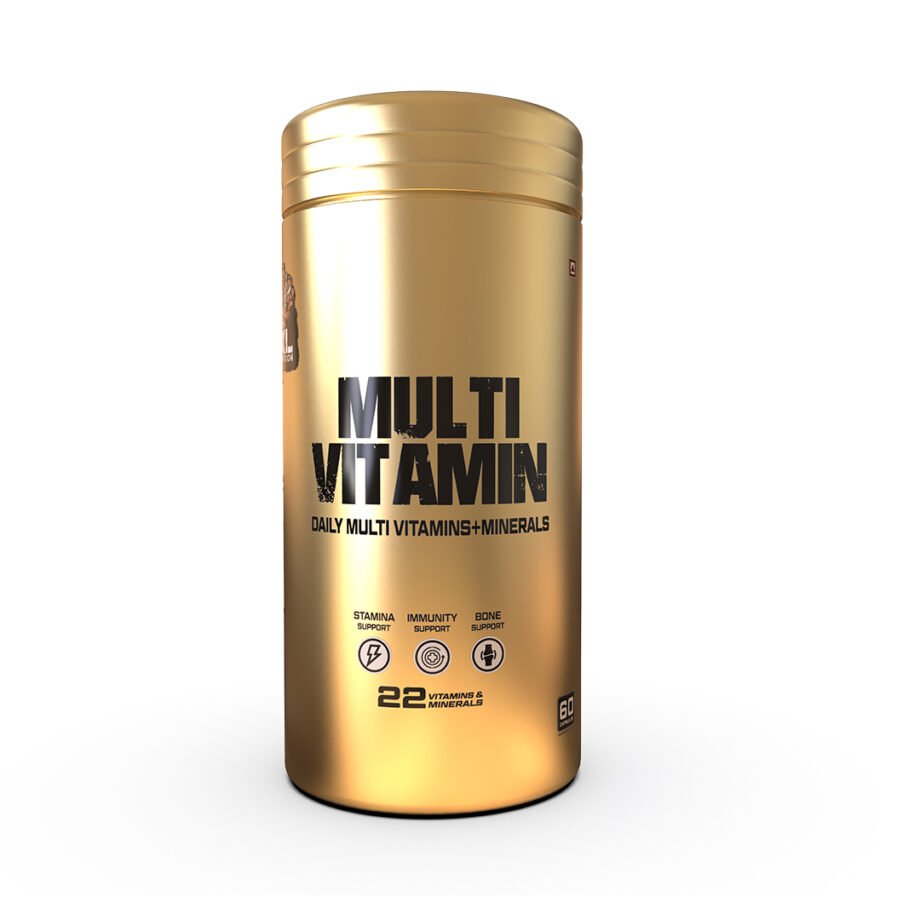
Are Multivitamin Supplements Good for Health? A Practical Look
Are Multivitamin Supplements Good for Health? A Practical and Honest Look
Multivitamin supplements are everywhere. You’ll find them in pharmacies, online stores, gyms, and even in kitchen cabinets at home. Some people take them daily without thinking twice, while others completely avoid them because they feel supplements are unnecessary.
So the question naturally comes up:
Are multivitamin supplements actually good for health?
Or are they just another product sold through smart marketing?
The answer isn’t a simple yes or no. Like most health topics, it depends on why you’re using them and how you’re using them.
Let’s talk about this in a realistic, common-sense way.
What Multivitamin Supplements Are Meant to Do
Multivitamins are designed to provide a mix of essential vitamins and minerals that your body needs to function properly. These usually include vitamins like A, C, D, E, B-complex, and minerals like zinc, iron, magnesium, and selenium.
Their purpose is not to treat diseases or instantly improve health.
Their real role is much simpler:
To help fill nutritional gaps in your daily diet.
That’s it.
Why Many People Don’t Get Enough Vitamins From Food Alone
In theory, a balanced diet should provide all necessary nutrients. In reality, that doesn’t always happen.
Some common reasons include:
- Skipping meals due to busy schedules
- Limited food variety
- Over-reliance on processed foods
- Poor appetite or digestion
- Stress affecting nutrient absorption
Even people who eat “normal home food” may still miss certain vitamins and minerals over time.
Multivitamins exist to support nutrition when diet isn’t perfect — and let’s be honest, diet is rarely perfect.
How Multivitamins Can Support Overall Health
1. Supporting Daily Energy Levels
Low energy isn’t always caused by lack of sleep or motivation. Sometimes, it’s linked to deficiencies in vitamins like B12, iron, or magnesium.
When these nutrients are low, the body struggles to maintain normal energy levels. Multivitamins help restore balance, which may result in:
- Less daily fatigue
- Better mental clarity
- More stable energy throughout the day
This doesn’t feel like a sudden boost — it feels like your body working normally again.
2. Supporting Immune Health
Your immune system depends on proper nutrition. Vitamins like C, D, and minerals like zinc play an important role in immune function.
If these nutrients are consistently low, immunity can weaken over time. Multivitamins help maintain baseline nutrient levels, which supports your body’s natural defense system — especially during stress, seasonal changes, or recovery periods.
3. Helping With Long-Term Nutritional Balance
Multivitamins are most effective when used long-term and consistently.
They help:
- Prevent nutrient deficiencies
- Support overall body function
- Maintain internal balance
They’re not about fixing problems overnight — they’re about reducing the risk of problems building up slowly.
4. Supporting Mental Focus and Well-Being
Nutrition and mental health are more connected than many people realize. Certain vitamins and minerals support brain function, mood regulation, and stress response.
While multivitamins are not a replacement for proper sleep or mental care, they do support the brain nutritionally, which helps overall well-being.
Who Benefits the Most From Multivitamin Supplements
Multivitamins can be helpful for:
- Busy professionals with irregular eating habits
- Students under mental stress
- Older adults
- Vegetarians or people with limited diets
- People recovering from illness or weakness
- Anyone whose diet lacks variety
They act as nutritional insurance, not a replacement for healthy food.

When Multivitamins May Not Be Necessary
Let’s be honest — multivitamins are not mandatory for everyone.
You may not need them if:
- You eat a very balanced, nutrient-rich diet
- You regularly consume fruits, vegetables, proteins, and whole foods
- You have no signs of deficiency
In such cases, multivitamins may not make a noticeable difference.
Common Myths About Multivitamins
“Multivitamins can replace healthy food”
They can’t. Real food provides fiber, antioxidants, and compounds supplements don’t fully replicate.
“More vitamins mean better health”
Too much of certain vitamins can actually be harmful. Balance matters.
“Multivitamins work instantly”
They don’t. Benefits appear slowly and subtly.
Can Multivitamins Cause Side Effects?
For most healthy people, multivitamins are safe when taken as recommended.
Side effects usually happen when:
- Dosages are too high
- Multiple supplements are stacked unnecessarily
- Someone has an existing medical condition
That’s why it’s important to:
- Follow recommended doses
- Avoid taking multiple similar supplements
- Consult a doctor if you have health issues
How to Use Multivitamins the Right Way
To actually benefit from multivitamins:
- Take them consistently, not occasionally
- Use them with meals for better absorption
- Avoid overdosing
- Combine them with decent food habits
Think of them as support, not a solution.
Real-Life Experiences
Most people don’t say:
“My life changed overnight.”
They say:
- “I feel less tired.”
- “I fall sick less often.”
- “My energy feels more stable.”
- “I feel more balanced.”
That’s realistic and healthy progress.
Do Multivitamins Prevent Diseases?
Multivitamins are not medicines. They do not cure or prevent diseases directly.
However, by helping maintain proper nutrition, they may reduce the risk of deficiencies that can contribute to long-term health issues.
Prevention works slowly — and quietly.
So, Are Multivitamin Supplements Good for Health?
Here’s the honest answer:
Yes, multivitamin supplements can be good for health — when used for the right reasons.
They are helpful if:
- Your diet isn’t consistently balanced
- You’re under stress
- You have higher nutritional needs
- You want to support long-term well-being
They are not magic pills, and they don’t replace healthy habits.
Final Thoughts
Multivitamin supplements are tools — not shortcuts.
They help support the body when life gets busy, diet isn’t perfect, or nutritional gaps exist. Used wisely, they can contribute to better energy, immunity, and overall balance.
Good health still comes from:
- Proper food
- Sleep
- Movement
- Stress management
Multivitamins simply help you stay on track when things aren’t ideal — and that’s exactly what they’re meant for.