Whey Protein for Beginners: Myths vs Truth
Whey protein is one of the most popular fitness supplements in the world — and also one of the most misunderstood, especially in India.
Is it a steroid? Will it damage your kidneys? Does it cause fat gain? Is it only for bodybuilders?
If you’ve asked any of these questions, you’re in good company. This guide separates the myths from the facts, so you can make a confident, informed first decision.
Buy 5XL Nutrition Whey Protein Concentrate → the best starting point for most Indian beginn ers.
What Is Whey Protein?
Whey protein is a high-quality protein derived from milk during the cheese-making process. When milk separates into curds and liquid whey, that liquid is filtered, dried, and turned into the powder you mix into your shaker.
It contains all nine essential amino acids, making it a complete protein. It digests quickly, delivering amino acids to muscles faster than most food sources – which is why it’s become the go-to post-workout supplement for gym-goers worldwide.
The three main types:
Whey Concentrate – the most popular and most affordable type. Contains approximately 70-80% protein per serving with small amounts of natural carbohydrates and fat from dairy. The right choice for most beginners.
Whey Isolate – filtered further to 90%+ protein purity with near-zero lactose. Ideal for those with dairy sensitivity, those cutting calories, or anyone wanting the cleanest macro profile.
Whey Hydrolysate – pre-digested for the fastest possible absorption. Used in advanced sports nutrition and typically the most expensive. Not necessary for beginners.
For most people starting out, concentrate or isolate is more than sufficient.
- Whey Protein Concentrate (WPC) – basic, budget-friendly
- Whey Protein Isolate (WPI) – pure protein, low lactose
- Whey Protein Hydrolysate (WPH) – pre-digested, fastest acting
Myth 1: Whey Protein Is a Steroid
The truth: whey protein is a food supplement – full stop.
This is the most common and most damaging misconception in Indian fitness culture. Anabolic steroids are synthetic hormones that alter testosterone and growth hormone levels, with serious health consequences. Whey protein is dairy nutrition in powdered form.
Think of it this way: calling whey protein a steroid is like calling paneer a steroid. They come from the same source. Whey is simply a more concentrated, faster-absorbing form of the protein found in milk, curd, and paneer – nothing more.
Myth 2: Whey Protein Damages the Kidneys
The truth: healthy people can safely consume whey protein daily.
This myth originated from research on people with pre-existing kidney disease, where high protein intake can strain already compromised kidneys. For healthy individuals, decades of research consistently show no kidney damage from protein supplementation at recommended doses.
If you have been diagnosed with kidney disease, consult your doctor before taking any protein supplement. For everyone else – this concern has no scientific basis.
Myth 3: Only Bodybuilders Need Whey Protein
The truth: anyone who doesn’t get enough protein from food can benefit.
Whey protein isn’t reserved for competitive athletes or bodybuilders. It’s useful for beginners starting their fitness journey, busy professionals who miss protein-rich meals, vegetarians who struggle to meet daily protein requirements through food alone, people trying to lose fat while preserving muscle, and adults above 40 managing age-related muscle loss.
Protein is an essential daily nutrient for every human body – regardless of whether you’re training for competition or just trying to feel healthier and more energetic.
Myth 4: Whey Protein Causes Fat Gain
The truth: excess total calories cause fat gain – not protein specifically.
A typical scoop of whey protein contains approximately 110-150 calories. That’s less than a glass of milk or a small bowl of poha. Weight gain happens when you consistently consume more calories than your body burns – from any food source.
Protein is actually the macronutrient least likely to contribute to fat gain. It has the highest thermic effect (your body burns 20-30% of protein calories just processing it), it’s the most satiating macronutrient (reducing hunger and overall calorie intake), and it preserves lean muscle during weight loss.
Used correctly – as a replacement for a high-calorie snack or alongside a balanced diet – whey protein supports fat loss rather than fat gain.
Myth 5: Natural Foods Are Always Better Than Whey Protein
The truth: whole foods are the foundation, and whey protein bridges the gap.
Eggs, chicken, fish, paneer, curd, dal, and legumes should always form the core of your protein intake. These foods provide vitamins, minerals, fibre, and nutritional complexity that no supplement can replicate.
But whey protein has real advantages that whole foods don’t: it’s fast-absorbing (ideal in the post-workout window), accurately dosed per scoop, convenient when whole food isn’t available, and affordable per gram of complete protein.
The average Indian diet provides 30-50g of protein daily. A moderately active 65kg person needs 78-104g. That 30-50g gap is exactly what whey protein bridges – conveniently, affordably, and without disrupting your food habits.
Myth 6: Women Should Avoid Whey Protein
The truth: whey protein is safe, effective, and beneficial for women.
The fear that protein supplements will make women look bulky has no physiological basis. Building significant muscle mass requires years of progressive training, very specific nutrition, and hormonal conditions that most women simply don’t have – primarily because testosterone levels in women are approximately 10-15% of men’s levels.
What women actually experience from adequate protein and training: improved muscle tone and definition, better body composition, reduced body fat, stronger hair and nails, and improved recovery. Not bulk.
How to Use Whey Protein as a Beginner
Start with one scoop daily. At 22-26g of protein per scoop, one scoop provides meaningful daily supplementation without overwhelming your digestive system or budget. More is not better for beginners – one scoop is appropriate for the training volume most beginners manage.
When to take it: Post-workout within 30-45 minutes is most effective for muscle recovery. If you train in the morning and your typical breakfast is low in protein (poha, bread, chai), taking your scoop alongside or instead of breakfast is equally valid. The most important thing is picking a consistent time and sticking to it daily – including rest days.
How to mix it: Add 250-300ml cold water to your shaker, add one scoop, shake firmly for 20-30 seconds, and drink immediately. Mixing with milk adds approximately 8-10g of extra protein and a richer taste, but also more calories and lactose.
Daily protein target: A practical starting target for active individuals is 1.2-1.6g of protein per kg of bodyweight. For a 65kg beginner, that’s 78-104g daily. One scoop of whey plus a reasonable food intake typically closes that gap for most people.
How to Choose the Right Whey Protein
Not all protein powders deliver what they promise. The Indian supplement market has a documented quality problem – amino spiking (adding cheap amino acids to inflate protein readings) and adulteration are real concerns.
Look for:
- 20-25g protein per serving from whey protein specifically
- No glycine or taurine listed separately as individual ingredients (signs of amino spiking)
- Short, readable ingredient list – no unexplained fillers or additives
- Transparent label with individual quantities declared
- Product authentication mechanism – a QR code or batch verification you can check before consuming
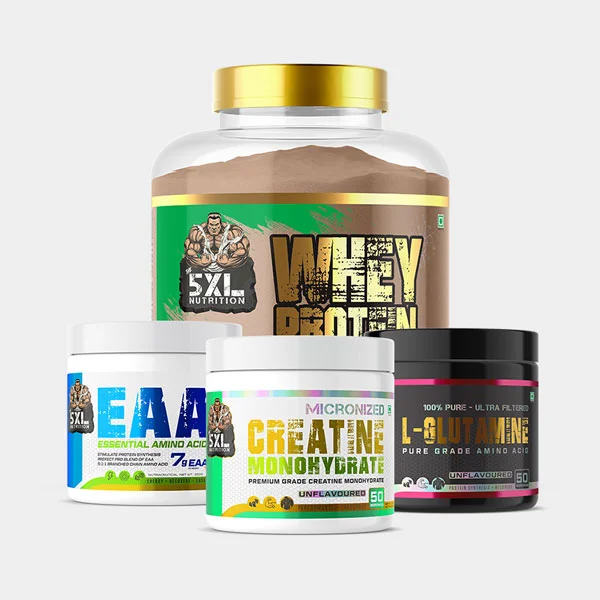
5XL Nutrition’s Whey Protein Concentrate passes every one of these checks. 22g of actual whey protein per scoop, honest labelling, and every batch verifiable at the5xlnutrition.com/verify-product before you consume a single scoop.
Your First Beginner Stack
Month 1-2: 5XL Whey Protein Concentrate – 1 scoop daily post-workout. This single decision is the most impactful a beginner can make.
Month 3-4: Add 5XL Creatine Monohydrate. Once training is consistent, creatine is the most impactful second supplement – increasing strength output, adding 1-3 reps per set, and speeding recovery between sets. Protocol: 1 scoop whey post-workout, 3-5g creatine mixed into your shake or separately in water.
Final Thoughts
Whey protein is one of the safest, most researched, and most effective supplements available. For beginners, it offers a convenient and affordable way to close India’s widespread protein gap, support muscle recovery, and build better fitness habits.
It is not magic. It works best when combined with consistent training, balanced food, adequate sleep, and realistic expectations. But used correctly, it is genuinely one of the most impactful daily health investments any active Indian adult can make.
Ignore the myths. Understand the facts. Start simple, stay consistent.
FAQ
Q: Can I take whey protein without going to the gym?
Yes. Whey protein is simply a protein source. Anyone who doesn’t get enough protein from their diet can benefit – whether they exercise or not. This includes busy professionals, homemakers, and students.
Q: Is one scoop per day enough?
For most beginners (50-75kg, training 3-4 days per week), one scoop daily is sufficient. At 22–26g per scoop, it meaningfully bridges the gap between typical Indian food protein and your daily target.
Q: Can teenagers take whey protein?
Generally yes, if they’re physically active and not meeting protein needs through food. Consult a doctor if there are any health concerns.
Q: Can whey protein help with weight loss?
Yes, it increases satiety, preserves muscle during a calorie deficit (protecting metabolic rate), and reduces hunger-driven snacking. Used as a replacement for high-calorie low-protein foods, it actively supports fat loss.
Q: Should I mix whey with water or milk?
Water gives faster digestion and fewer calories – better for fat loss phases. Milk adds extra protein, calcium, and a richer taste – better for muscle-building phases. Choose based on your goal.
Q: Is whey protein safe for daily long-term use?
Yes, Whey protein is safe for healthy adults at recommended doses for daily long-term use. It is dairy-derived nutrition – no cycling or breaks are needed.
Q: Does whey protein cause acne?
Some individuals sensitive to dairy may notice skin reactions, particularly with whey concentrate. If this occurs, switching to whey isolate (near-zero lactose) usually resolves the issue.
Q: Can vegetarians use whey protein?
Absolutely. Since whey is derived from milk (not meat), it is entirely suitable for lacto-vegetarians. It’s actually the highest-quality complete protein that vegetarians can consume.